Garage Door Service for Newark Homes in Livermore

Newark, Livermore

Garage Door Service for Newark Homes

Newark sits 20 miles from our Livermore shop, and most of its houses date to the mid-1970s. Here's what that means for your door, spring, and opener repair.

Serving Livermore, CABackground-checked techsHonest, upfront pricingFast local response

Warning signs

What You Are Seeing

Newark is a twenty-mile drive from our shop in Livermore, which is the first thing worth knowing before anything else: a call here means a truck loaded and routed before your appointment window, not a tech idling around the corner.

20-mile distance scheduling factor

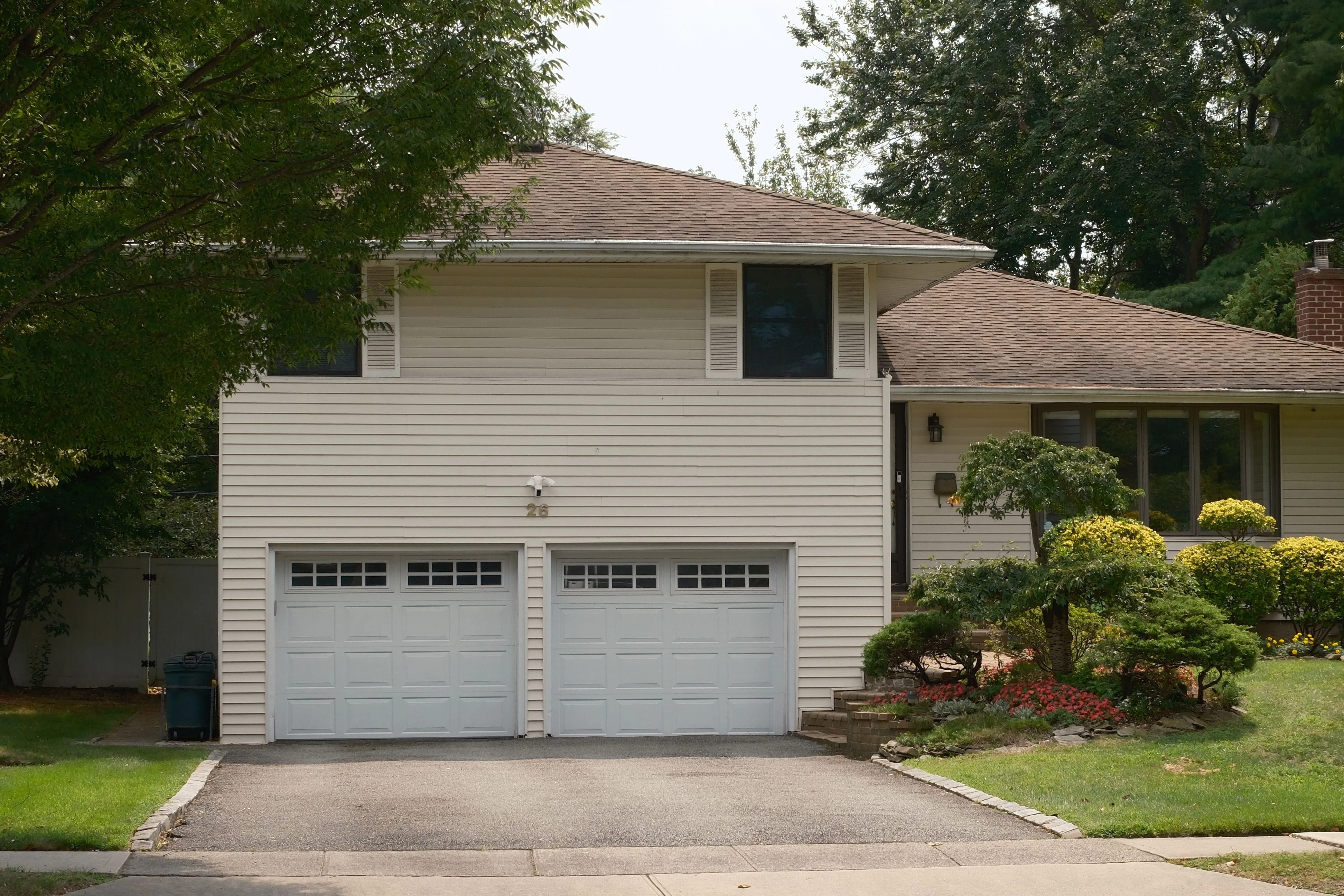
That drive shapes how we book the day, not how we do the work once we're in your driveway. The second thing that matters is the age of the house. Most Newark homes were built around 1975, which puts a lot of this city's garage doors and openers a full decade or more ahead of the newer stock we see closer to Livermore, where the broader service area's median build year runs closer to 1981.
1975 median build-year prevalence

A door installed in the mid-1970s was likely replaced once already, sometime in the 80s or 90s, so what's actually on the wall today is often a mixed generation: an older track and header bracket paired with a chain-drive opener from a later remodel.

Mixed-generation hardw are assumption

That mismatch is where a lot of the noise, drift, and uneven closing we hear about actually starts. The mild temperate climate here doesn't stress hardware the way heat-cycling or hard freeze does elsewhere, so when something fails in Newark it's almost always age and use wearing out a part, not weather damage.

Our process

How We Fix It

We diagnose before we touch a spring or a cable. On a 1970s-era door, that means checking whether the opener is original to the door or a later swap, because the bracket spacing and drum size often don't match what a current parts catalog assumes.

  1. Mismatched-hardware original-track modern-opener

    We've opened enough of these mismatched setups to know not to force a modern kit onto hardware it wasn't built for. Most calls out here break down into three categories: a broken torsion spring on a door that's carried thirty-plus years of cycles, worn rollers and hinges from the same span, or an opener logic board that's simply reached the end of its service life.

  2. Mild-climate non-freeze damage

    We fix what's fixable on-site with parts carried on the truck. If the drum, track, or header bracket is bent or undersized for anything we stock, we say so before we start, not after we've billed for the visit.

  3. 20-mile one-stop planning

    Because the trip out is twenty miles, we build the visit around getting everything needed done in one stop rather than a return trip for a missed part - which is also why the diagnosis step at the start matters more here than it might for a closer address.

DIY or pro

Can You Do This Yourself

Some of this is genuinely DIY: lubricating rollers and hinges, tightening loose bolts on the track, testing the photo-eye sensors, or replacing a worn weatherstrip along the bottom panel.

Cable-replacement safety risk

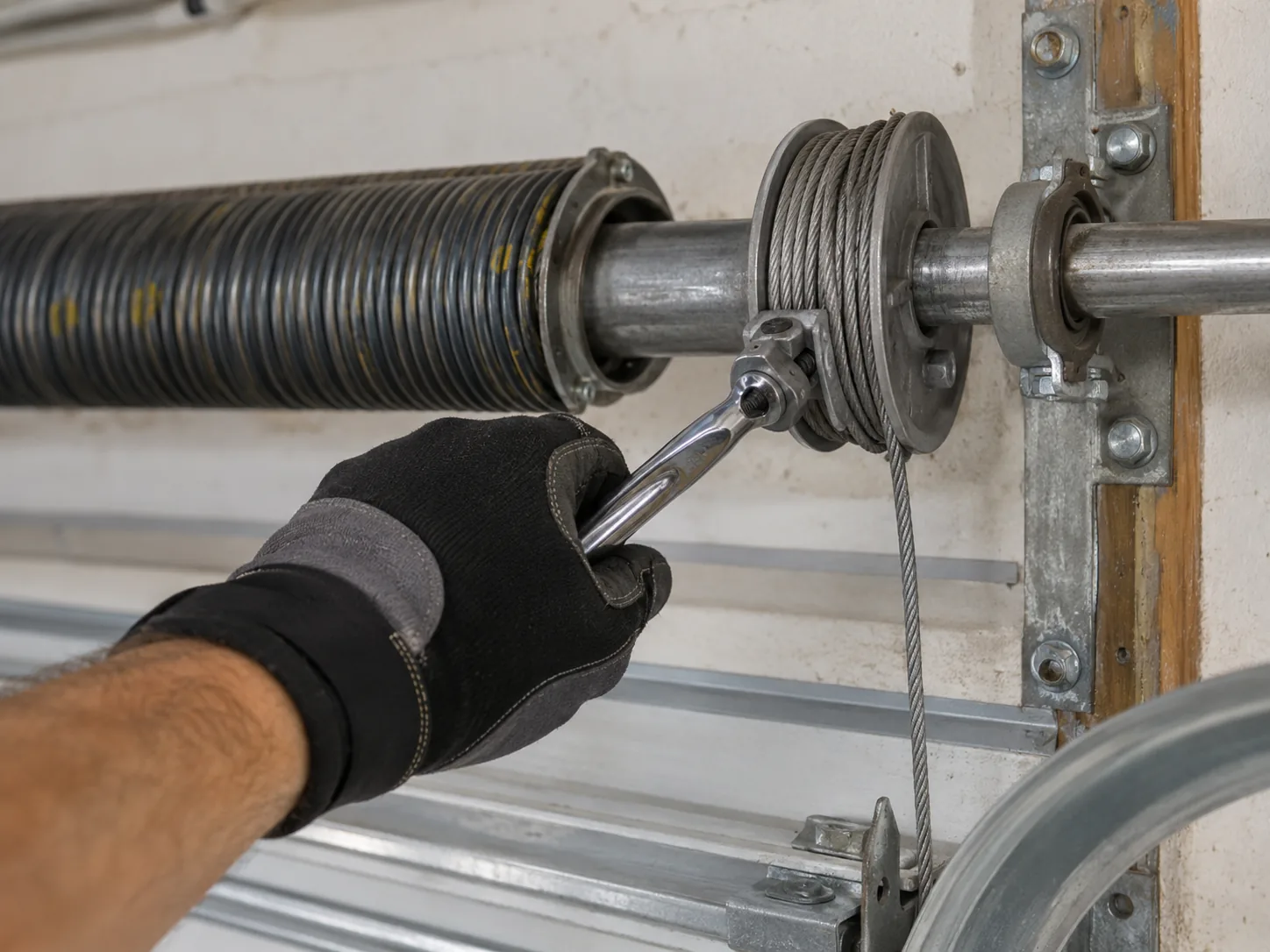
None of that requires calling anyone. A broken torsion spring is not on that list. Torsion springs on a door this age are wound to hold real tension, and the tools to release that tension safely aren't something most garages have lying around.

Original-opener board sourcing

Cable replacement carries the same risk - a snapped cable under load can whip hard enough to hurt someone standing too close. If your opener is original hardware from a 1970s install and it's finally quit, that's often a case where the honest answer is replacement rather than repair.

Replacement-timing reliability trade

Sourcing a control board for a unit that old can take longer than most homeowners expect, and by the time it arrives, a new opener has usually paid for the wait in reliability. We'll tell you straight if that's where your unit is at, rather than stringing along a repair that won't hold.

On the truck

Parts We Carry

The truck carries torsion springs in the sizes that cover most residential doors, standard-gauge cables, rollers in nylon and steel, hinges, and center and end bearings. That covers the bulk of what fails on a door built in the mid-1970s and maintained on a normal schedule since.

What we don't carry stock for: proprietary opener logic boards for discontinued models, and non-standard track hardware from custom installs. If your setup needs one of those, we'll tell you at diagnosis and give you a real timeline instead of guessing.

We also carry standard weatherstrip and bottom seals, which matter more for keeping a garage dry and sealed than for the door's mechanical function - worth mentioning since it's an easy add-on to any other visit.

Parts We Carry

Booking

Booking a Visit

We serve Newark from our Livermore location, so a visit here gets scheduled as part of the day's route rather than as a stand-alone stop - that's a function of the twenty-mile distance, not a lower priority.

Symptom-based call description

Tell us what the door is doing (won't open, off track, noisy, won't close all the way) when you call, and we'll bring the parts most likely to match a house of Newark's typical age and setup.

Era-appropriate equipment preparation

We don't run a branch or dispatch point in Newark itself, so we can't promise same-day arrival the way a local shop might. What we can promise is a tech who shows up prepared for what a house from this era usually needs, because we've already thought through it before the truck leaves Livermore.

How Long It Takes

Timing

How Long It Takes

A straightforward spring or roller replacement usually runs under two hours once the tech is on-site. Opener swaps take longer, generally half a day including removal of the old unit and full testing of the new one's safety sensors.

The variable that isn't up to us is the drive: twenty miles each way means the appointment window we give you needs to account for traffic on top of the repair itself. We build that into scheduling so the estimate you're given is realistic, not optimistic.

If a part isn't on the truck - which happens more with non-standard hardware than with the common springs and rollers - the return trip adds a day or two depending on availability, not because of anything specific to Newark, just standard order lead time on the part itself.

Questions

Common questions

How far is Newark from your shop, and does that affect scheduling?

Newark is about twenty miles from our Livermore location. It doesn't change the quality of the repair, but it does mean we route Newark calls into the day's schedule rather than offering instant same-day arrival the way a local branch might. Tell us the issue when you call and we'll plan the visit with the right parts loaded.

Do you know the specific hardware in my Newark garage?

We can't say without seeing it, but we do know that most Newark houses date to around 1975, so openers and track hardware are often a later replacement paired with older brackets. That mismatch is common enough here that we check for it first before assuming anything's a standard fit.

Is it worth repairing a garage door opener from a 1970s house?

Sometimes, but not always. If the opener is original to a mid-1970s install and the logic board has failed, sourcing that exact part can take longer than most people want to wait. In a lot of those cases, replacing the opener outright is the faster and more reliable fix, and we'll say so plainly if that's what we find.

Does Newark's climate cause extra wear on garage doors?

Not really. The area sits in a mild temperate climate band, so we don't see the heat-cycling or freeze damage that stresses hardware in harsher climates. Most failures we find in Newark come down to age and use - decades of cycles on original springs, rollers, and cables - rather than weather.

Ready when you are

Need a garage door sorted in Livermore?

Livermore Garage Door Pros repairs and installs garage doors, springs and openers in Livermore, CA and the surrounding area.

Call NowGet a quote