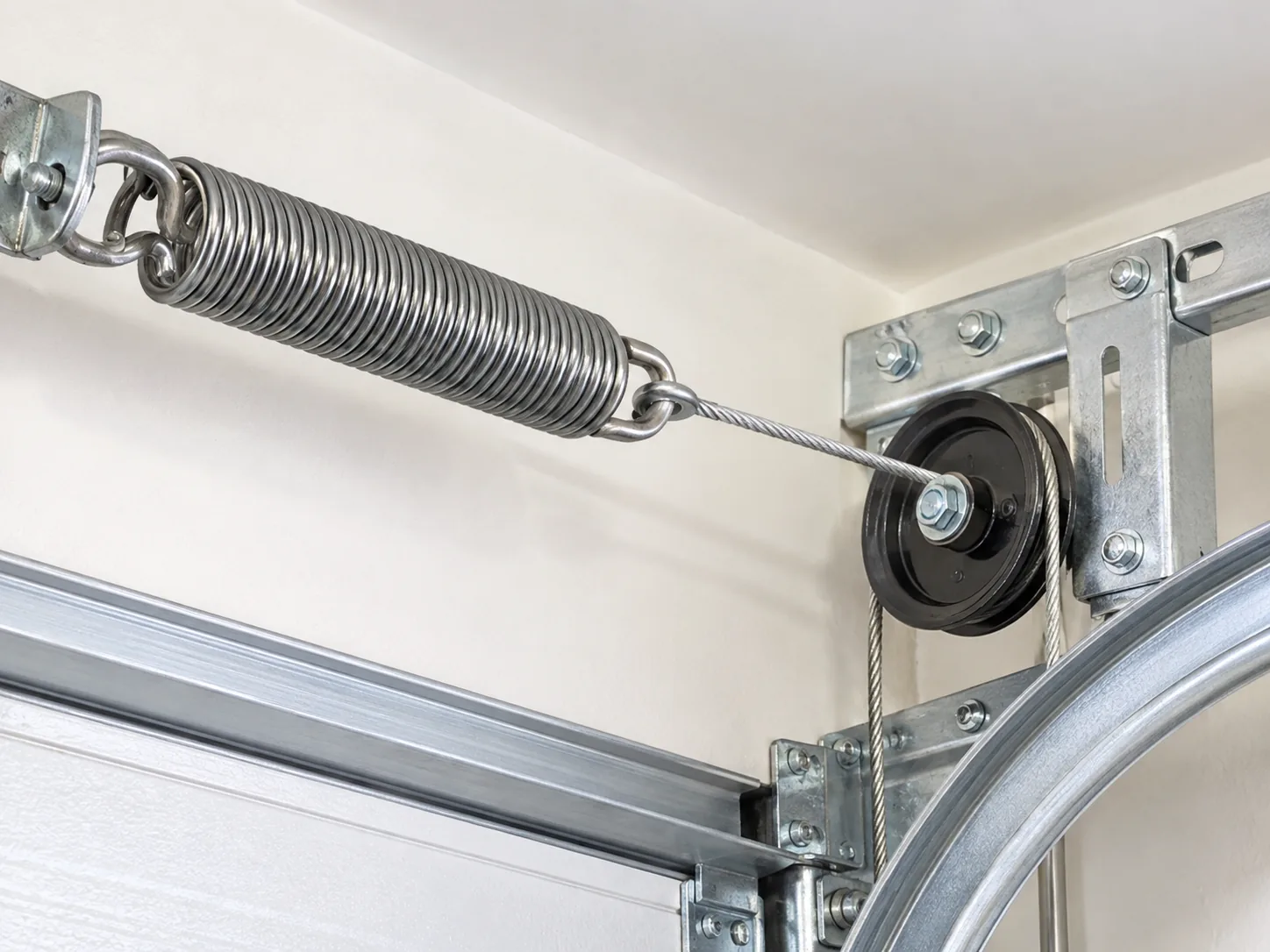
Single-car extension spring stock
Extension springs still turn up on older single-car doors in this area too, and we stock those as well. What we don't carry is anything custom-milled to a discontinued panel profile.
Castro Valley, Livermore
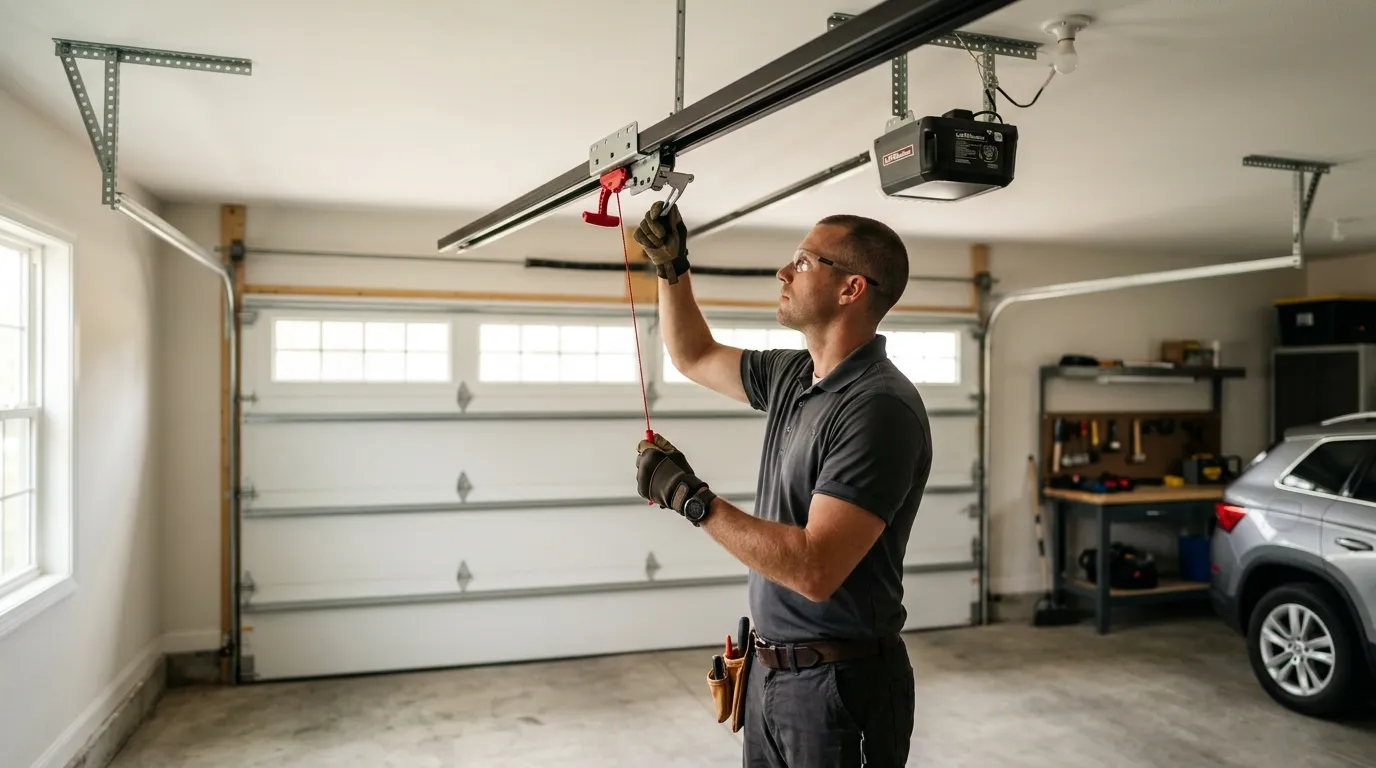
Castro Valley homes mostly date to 1966, older than the area average, and that shows up in the spring and track hardware failing today. Livermore Garage Door Pros comes out from Livermore, 17 miles away.
Local causes
The median home in Castro Valley went up around 1966, which puts a lot of the housing stock ahead of the broader service area, where the typical build year runs closer to 1981. That gap matters on a garage door. Houses from the mid-60s were built with steel doors on standard-lift torsion springs, but a lot of that original hardware has been swapped, patched, or converted over the decades by different owners, which means the spring, drum, and cable sizing on any given house here is less predictable than in a newer subdivision where everything came off the same builder spec.
We see two failure patterns out of that. One is original or near-original torsion springs that have simply run out of cycles after close to sixty years, with the fatigue showing as a loud bang and a door that won't lift. The other is mismatched replacement parts from a repair done at some point in the last few decades, where a spring or cable was swapped to a size that's close but not correct for the door weight, and it fails again sooner than it should. Both show up as emergency calls, and both are a direct result of the age of the housing here, not something you'd see the same way in a newer part of the area.
On the truck
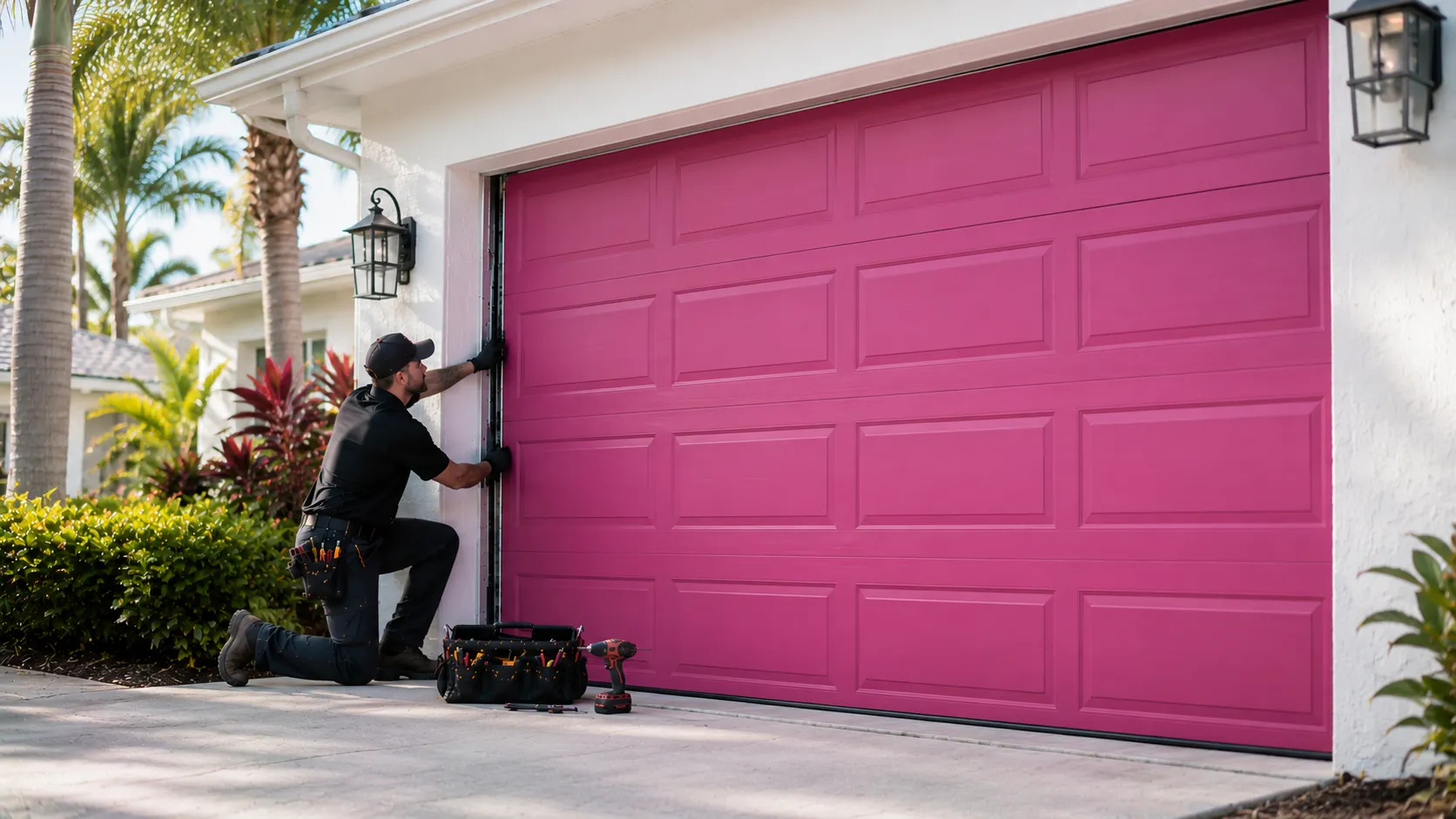
On the truck we carry torsion springs across the common wind and wire sizes used on residential steel doors from the 1960s through the 2000s, along with standard-lift cables, rollers, and the hinges and brackets that wear out on a door that's been opened and closed daily for decades.
Extension springs still turn up on older single-car doors in this area too, and we stock those as well. What we don't carry is anything custom-milled to a discontinued panel profile.
If a door needs a specific replacement panel that's no longer made, that's a special-order part, and we'll tell you that on the spot rather than pretend otherwise.
Timing
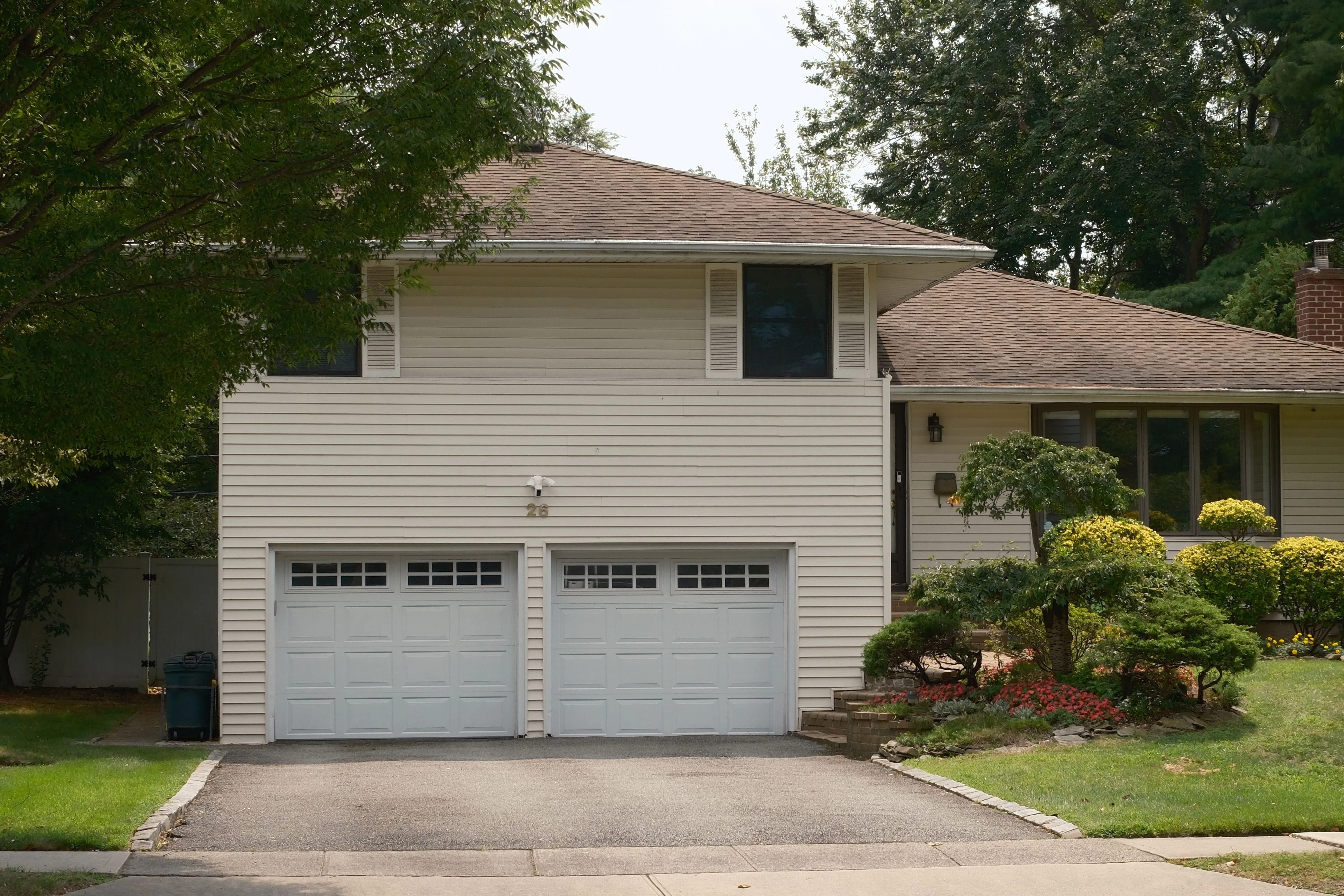
We come out from Livermore, which is 17 miles from Castro Valley. That distance is the honest starting point for a same-day emergency call - it's a longer drive than some of the closer suburbs we cover, so we build that into how we route the day rather than promising a number we can't hit.
Once we're on site, a spring replacement or cable job on a standard residential door is usually a same-visit repair. What extends a job past that first visit is a part we don't carry on the truck, which is more likely on an older Castro Valley door with non-standard hardware than on a newer build.

Pricing
We don't publish a flat price here because the two failure patterns we see in this area - a worn-out original spring versus a mismatched replacement part - don't cost the same to fix, and neither does whatever your specific door turns out to need once we're looking at it. What we can tell you is that the age of the hardware, more than the size of the door, is usually what drives the difference in a Castro Valley repair quote compared to a newer property.
DIY or pro
A torsion spring is under real tension and it's not a safe DIY repair - that's true everywhere, not just here.
What is specific to a house of this age is that you often can't tell from looking at the spring what size or wind it actually is, since it may not be the original part. Guessing wrong and ordering online is how people end up with a spring that fails again in a year, or one that's outright dangerous to install.
Rollers, hinges, and weatherstripping are reasonable for a handy homeowner to replace. Springs, cables, and anything involving the torsion bar are not, and on a house built in the mid-60s with an unknown repair history, that call is even less safe to make on your own.
Warning signs
A door that won't budge and a loud bang from the garage usually means a broken torsion spring - common on doors this age, whether it's the original part finally giving out or a replacement that was undersized. A door that opens fine but sags or binds partway usually points to a cable that's slipped off its drum, which happens more often on older tracks that have shifted slightly out of alignment over the years. If the door reverses on its own partway down, that's the opener's safety sensors, not the springs, and it's a separate fix. Whatever you're seeing, tell us on the phone and we'll bring what's likely to match it.

Questions
About 17 miles. We travel out from Livermore for calls in Castro Valley, so we don't keep a separate branch or crew stationed here - the whole job, from the phone call to the repair, runs out of the Livermore shop.
Torsion springs fail by fatigue, not by wearing gradually thin, so there's rarely a warning sign before the bang. On a house built around 1966, an original spring may simply have reached the end of its cycle life, or a past replacement spring may have been undersized for the door.
We stock torsion springs, cables, rollers, and hinges across the sizes common on doors from the 1960s through the 2000s. If your door needs a discontinued or custom panel, that's a special order and we'll say so before we quote anything.
Explore more
Ready when you are
Livermore Garage Door Pros repairs and installs garage doors, springs and openers in Livermore, CA and the surrounding area.