
Standard-fit door installation
We carry current-production doors sized to fit those older openings without reframing the jamb, along with torsion springs matched to the door weight rather than reused from the old unit.
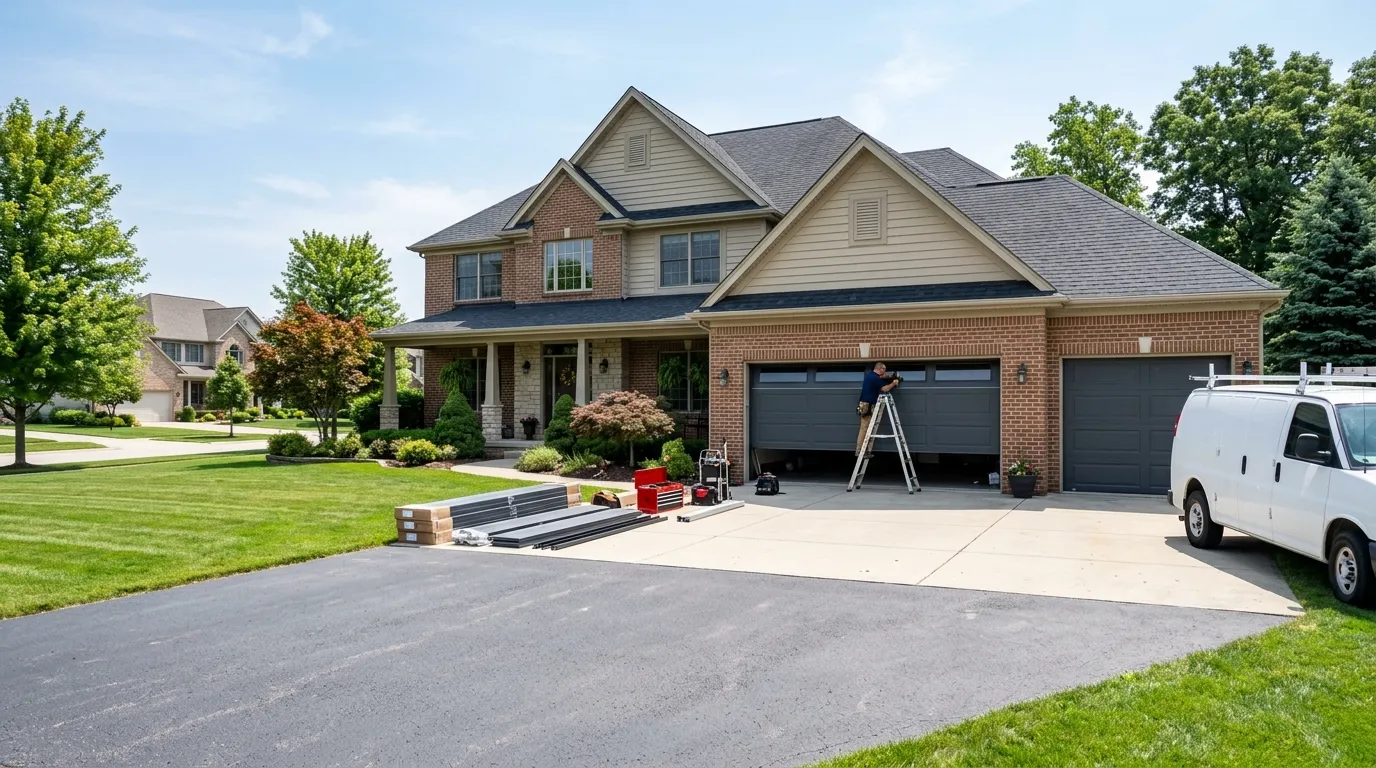
Castro Valley, Livermore
Castro Valley homes built around 1966 often still run original torsion hardware. Livermore Garage Door Pros installs new doors sized for that older stock.
Local causes
The median home in Castro Valley went up around 1966, which puts most of the neighborhood well ahead of the wider service area's 1981 midpoint. That gap matters more than it sounds like it should. A door installed when a house was framed in 1966 has had almost sixty years to work through its original springs, its original track brackets, and in a lot of cases its original panel. Nobody replaces a garage door on a schedule - they replace it when it stops lifting, when a cable snaps, or when a panel finally rusts through at the bottom seam. In a neighborhood this age, that day tends to arrive as a cluster: same builder, same door, same failure, decades apart from house to house. We see it as a pattern more than a coincidence. The mild temperate climate here hasn't accelerated things the way humidity or hard freezes would elsewhere - this isn't a weather failure, it's a wear failure. Six decades of daily cycles on hardware rated for a fraction of that is the whole story, and it's a story that's mostly done playing out by the time a homeowner calls.
On the truck
For a house from the 1966 era, the original opening was usually sized for a single steel or wood panel door on side-mounted hardware, not the wider double-car openings that came standard in later decades.
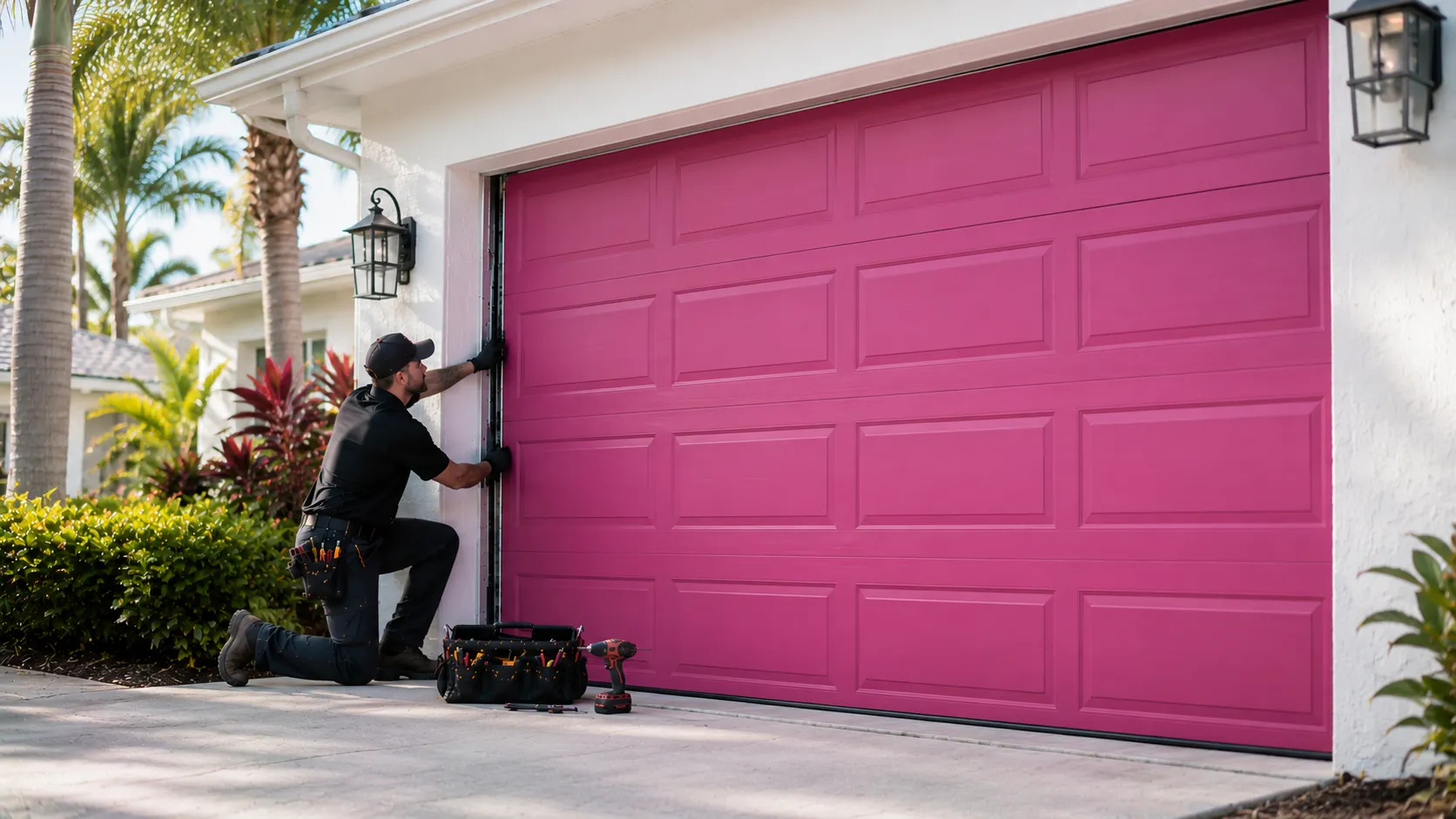
We carry current-production doors sized to fit those older openings without reframing the jamb, along with torsion springs matched to the door weight rather than reused from the old unit.
If the opening has settled or the track brackets are pulling loose from decades of flex, we replace the brackets as part of the install rather than bolting new hardware to old wood.
One limitation worth saying plainly: if the header or jamb itself has shifted out of square, that's carpentry, not a door swap, and we'll tell you before we quote anything rather than after.
Timing
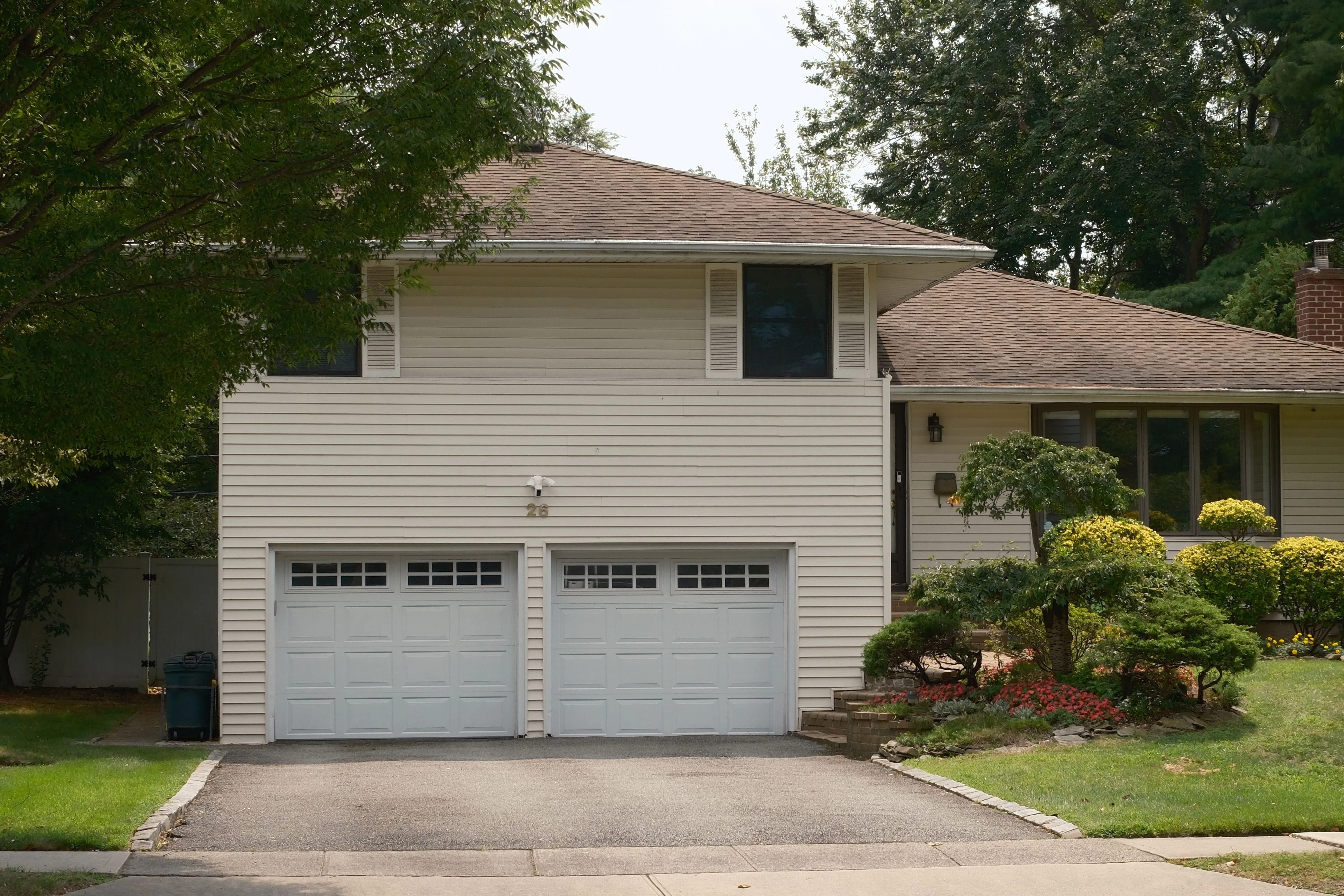
Castro Valley sits about 17 miles from our shop in Livermore, which is one of the longer runs on our route, so we schedule it as a dedicated trip rather than something we slot between closer jobs. A standard single-door replacement on an opening that doesn't need reframing usually runs a few hours once the crew and door are on site. Where the original 1966 framing needs shimming or a bracket rebuild, add time for that before the door itself goes in. We'll give you a window when we see the opening in person, not before.
Warning signs
If your door still has the narrow single-panel look common on 1966-era Castro Valley homes, the tell-tale signs of age are usually the same three things: a spring that's visibly stretched or uneven side to side, hinges with wallowed-out screw holes from decades of flex, and a track that's been bent back into shape more than once.
None of that is a climate problem in this area - the mild temperate weather here isn't corroding steel or rotting wood the way a harsher climate would.
It's straightforward mechanical fatigue on hardware that's simply outlived its rated cycles. If the door still opens but groans, shudders, or hangs unevenly at the top of the travel, that's usually the spring losing tension, not the opener failing.

Pricing
We don't post a flat number here because a 1966-era opening is rarely a drop-in swap - reframing, bracket replacement, or a wider opening if a homeowner wants to move up from a single door all change the job. What we can tell you is what drives the estimate: door size, whether the original jamb needs work, and spring weight for the new panel. We'll walk the opening with you and price it against what's actually there, not against a generic listing.
DIY or pro
Swapping a panel door is not a job most homeowners should take on solo, and on a house this age the risk is specifically the spring, not the door itself. A torsion spring wound to lift a 1966-era wood or steel panel is under real load, and releasing or rewinding it without the right bars is how people get hurt - this isn't a scare line, it's the single most common serious injury in this trade. If you're comfortable with track alignment and door balance on a lighter door, you can handle cosmetic work like hinge or roller swaps yourself. Spring and full installation work is where we'd tell you to call rather than watch a video.

Questions
It's common. A lot of Castro Valley homes from that era never had the garage door replaced - just the opener added later. If the panel and springs look untouched and the house is original, assume the hardware is original too until proven otherwise.
No. We're based in Livermore, about 17 miles out, and we schedule Castro Valley as a dedicated trip. We don't keep a branch or same-day depot here, so installs get booked as a planned visit rather than a walk-in.
Often yes, if the jamb hasn't shifted. Openings from that era were framed for narrower single-panel doors, and we carry current doors sized to match without cutting into the header. We check the framing on site before we say for sure.
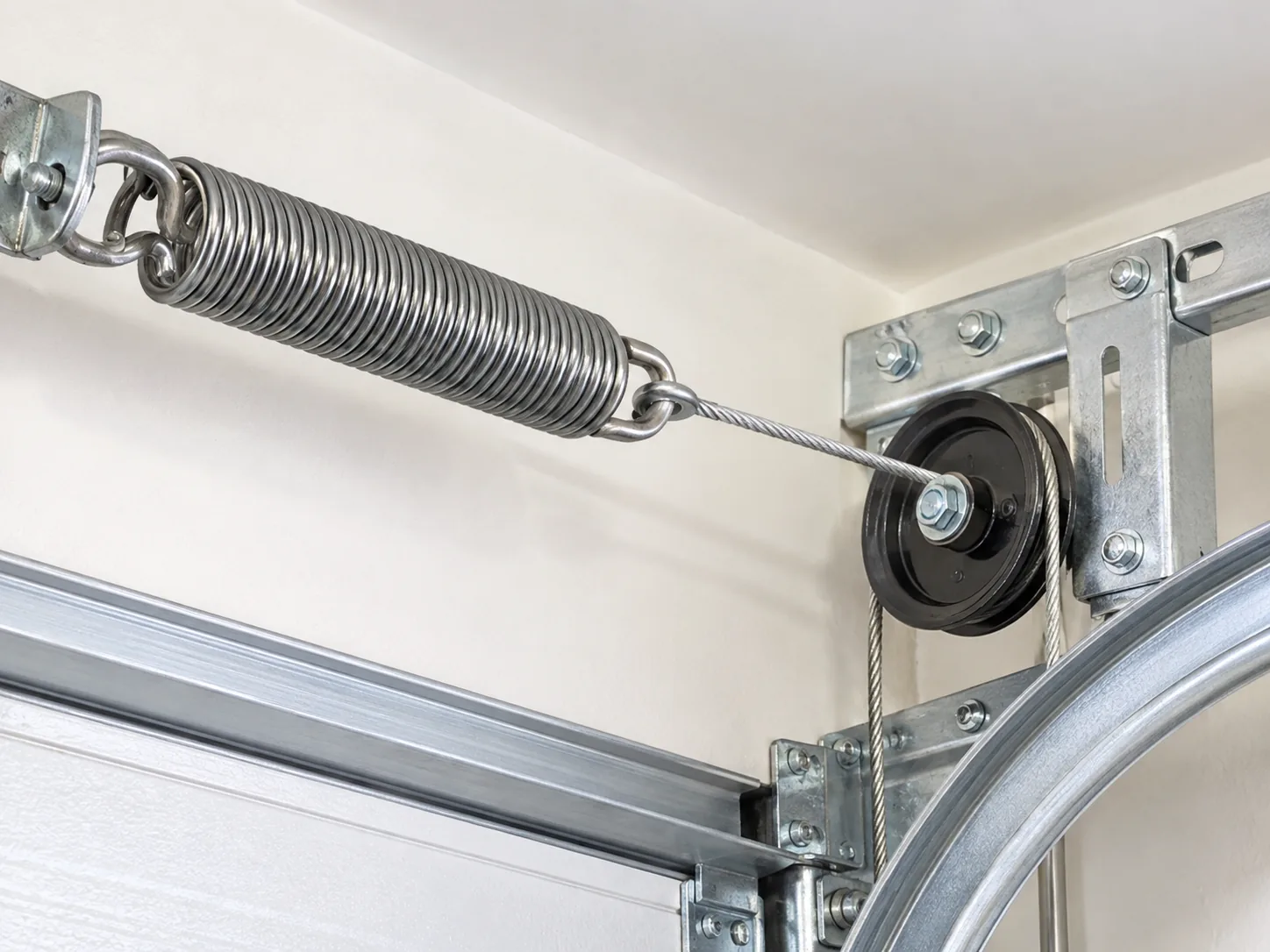
Torsion springs are rated for a set number of cycles, not a set number of years. A 1966-era spring has usually been through far more open-close cycles than it was built for, and it fails all at once rather than wearing down gradually - that's why it can seem sudden.
Explore more
Ready when you are
Livermore Garage Door Pros repairs and installs garage doors, springs and openers in Livermore, CA and the surrounding area.