
Guide
Older Doors, Newer Rules: What Livermore Garage Doors Are Actually Dealing With
Livermore homes built 1961-2010 often carry doors made before insulation rules existed. Here's what that means for your garage in this mild climate, and what to check first.
Local detail
What Local Conditions Do
Most of the housing stock around here went up between 1961 and 2010, with the median build landing around 1981. That matters more than people think. A door installed in the late 70s or through the 80s and 90s predates a lot of the thermal standards that came later - you'll find plenty of single-layer steel skins with no foam core, hung on tracks that were never spec'd with insulation in mind.
Livermore's climate sits in the mild temperate band, so these older doors haven't been fighting brutal winters or coastal salt air. That's the one break homeowners here get. The doors have survived mostly because the weather hasn't been hard on them, not because the doors themselves were built to a higher standard.
Across the 19-plus named areas that make up this stock, you see the same pattern: a door that looks fine from the driveway but is doing almost nothing to keep garage temperature separate from house temperature, because nothing in its build era asked it to. That gap between how the door looks and what it's actually built to do is the starting point for almost every question we get about upgrading versus repairing.
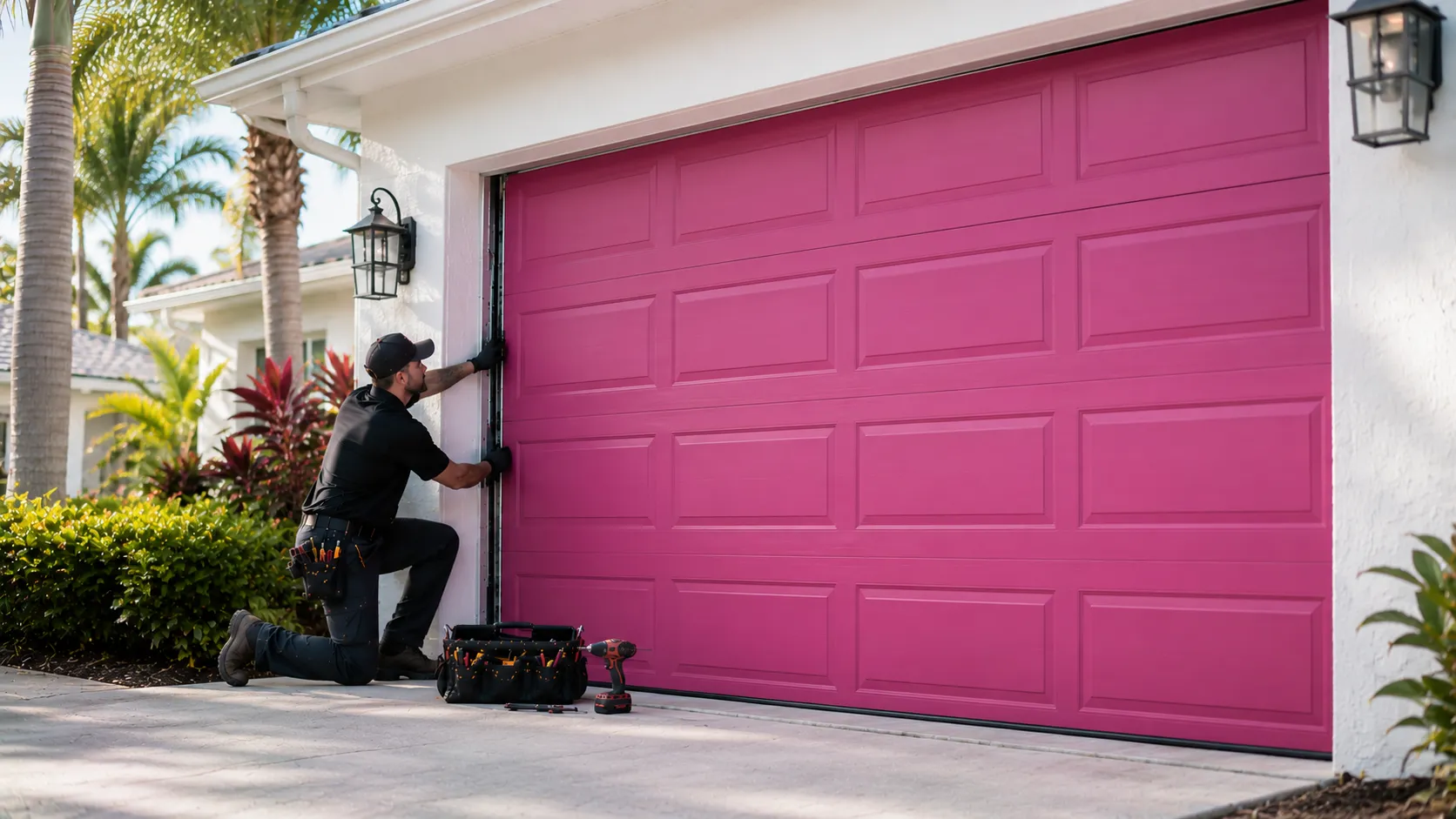
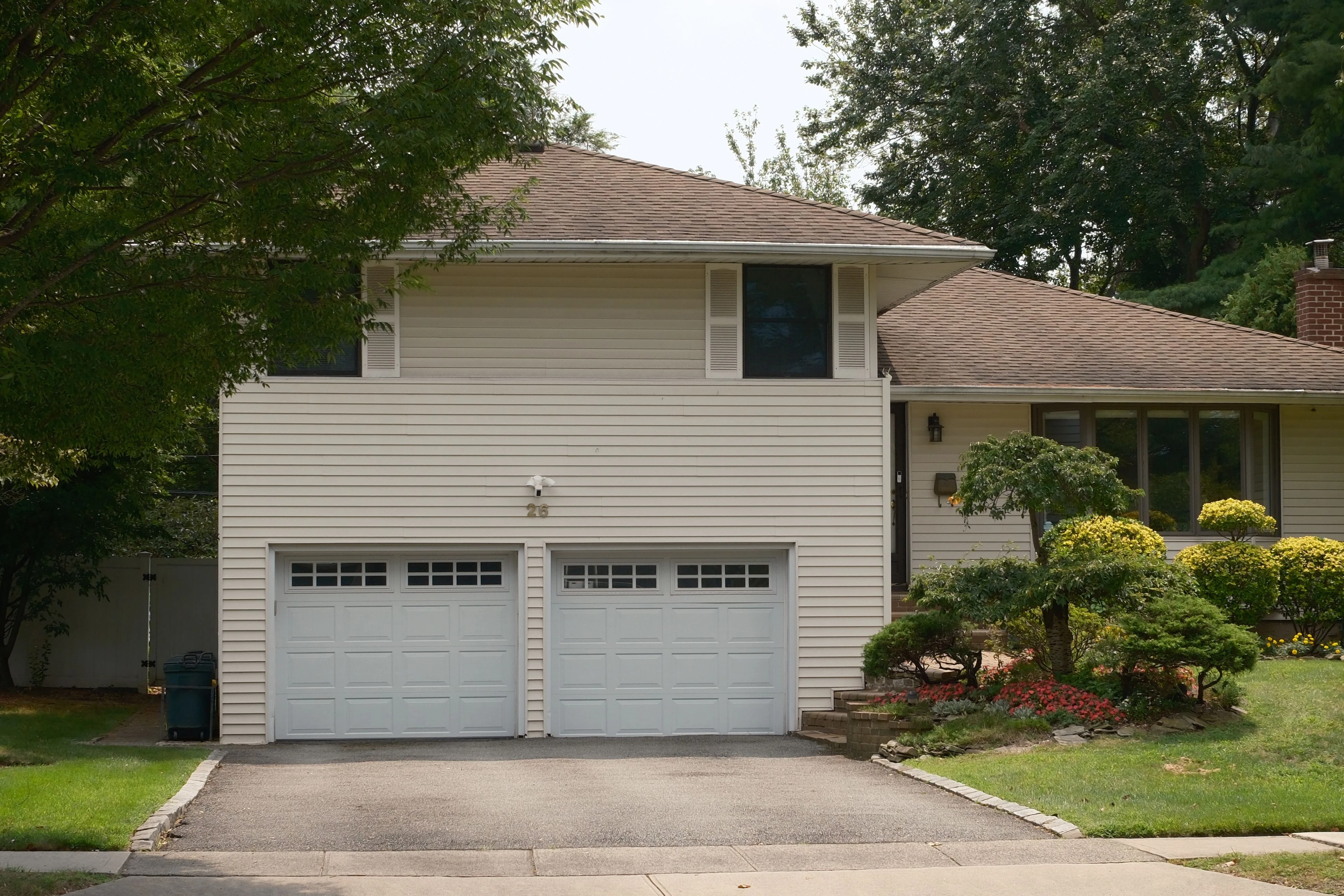
The area
When Waiting Is Fine
If your door is from that 1980s-90s window and it's still opening smooth, sealing reasonably at the bottom, and the springs aren't groaning, you don't need to touch it. A non-insulated door in a mild climate is a comfort and energy question, not a safety one. There's no code violation in owning an old single-layer door - building code caught up to insulation standards well after most of this housing was built, and nothing forces a retrofit. If the garage isn't attached to living space you use daily, or you don't run it as a workshop, the case for replacing a door that still functions is thin.
Spend your money on the parts that actually wear - rollers, cables, the opener - before you spend it on a full door swap just because the panel is old. That's the honest limitation here: we can't tell you a 40-year-old uninsulated door is broken when it isn't. It's just old technology doing an old job adequately.
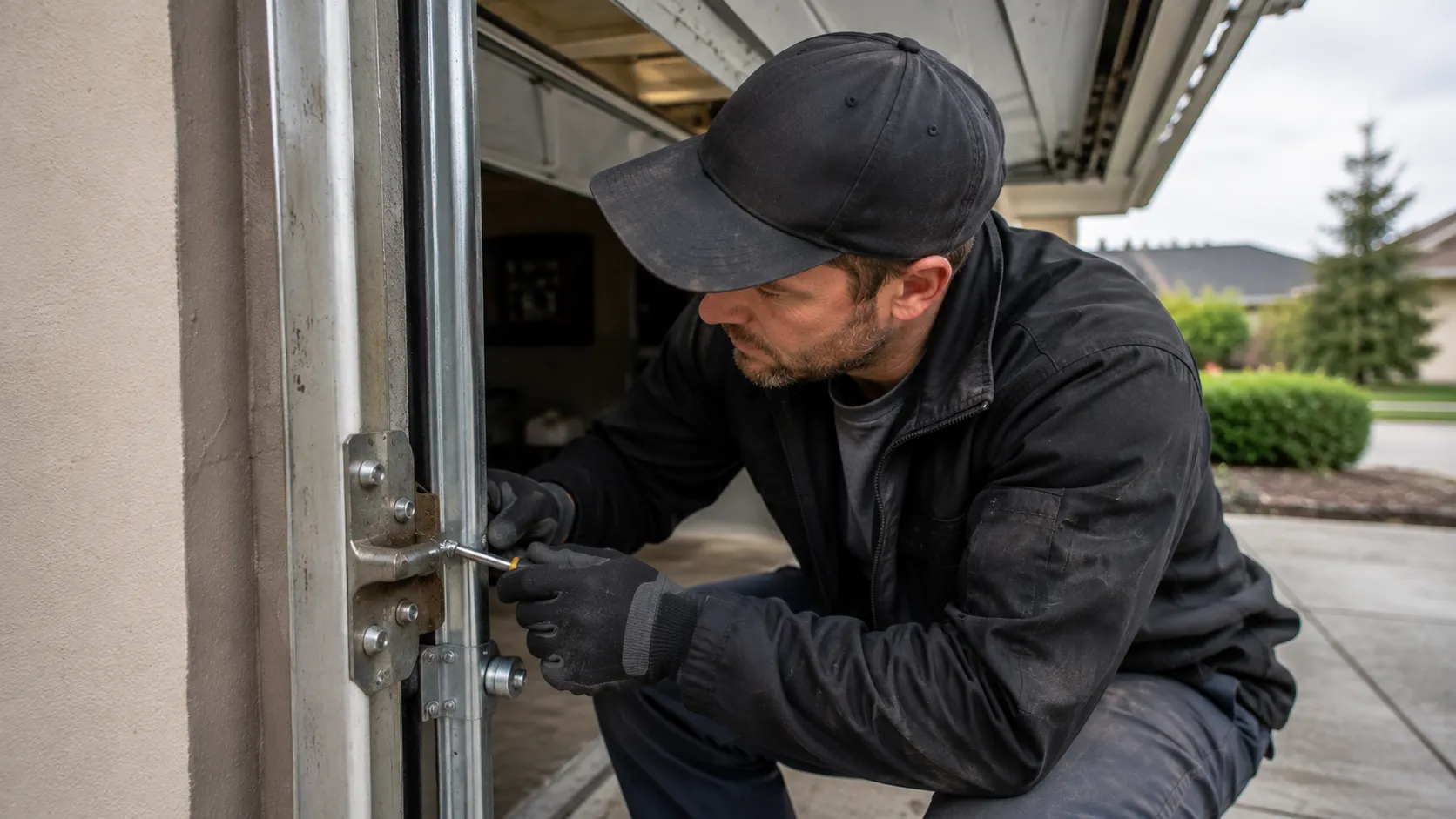
What we find
What to Look At First
Before deciding anything, look at the bottom seal and the panel seams, not the insulation question. On doors from the 1961-2010 build range, the failure point is almost always mechanical - a bottom astragal that's cracked and let in draft, or panel seams that have loosened enough to whistle. Check whether the door has any foam backing at all; a lot of builders in the 1980s and 90s stock added a thin foam layer even without full code requirements, so some of this housing already has partial insulation you might not know about.
Pull the panel edge and look. If there's no foam and the steel flexes when you press it, that's a genuinely non-insulated door and any energy complaint you have is coming from the door itself, not the seals around it. If there is foam and it's still drafty, the fix is weatherstripping and hardware, not a full replacement.
How we work
What Is Going On
The reason this comes up so often here is simple: a huge share of the local housing dates to a specific 30-to-40-year window, and insulation standards for garage doors weren't uniform or aggressive during most of it. So you get a lot of homes on the same street with doors from the same era, same lack of foam core, same steel gauge. It's not a defect specific to any one house - it's the era. Combine that with a mild temperate climate that never really punished these doors with freeze-thaw cycles or heavy humidity swings, and you get doors that are functionally fine but thermally dated.
That's a different problem than a door that's failing. One needs a call to us. The other just needs you to know what you're looking at before you spend money solving a comfort issue with a mechanical repair, or vice versa.
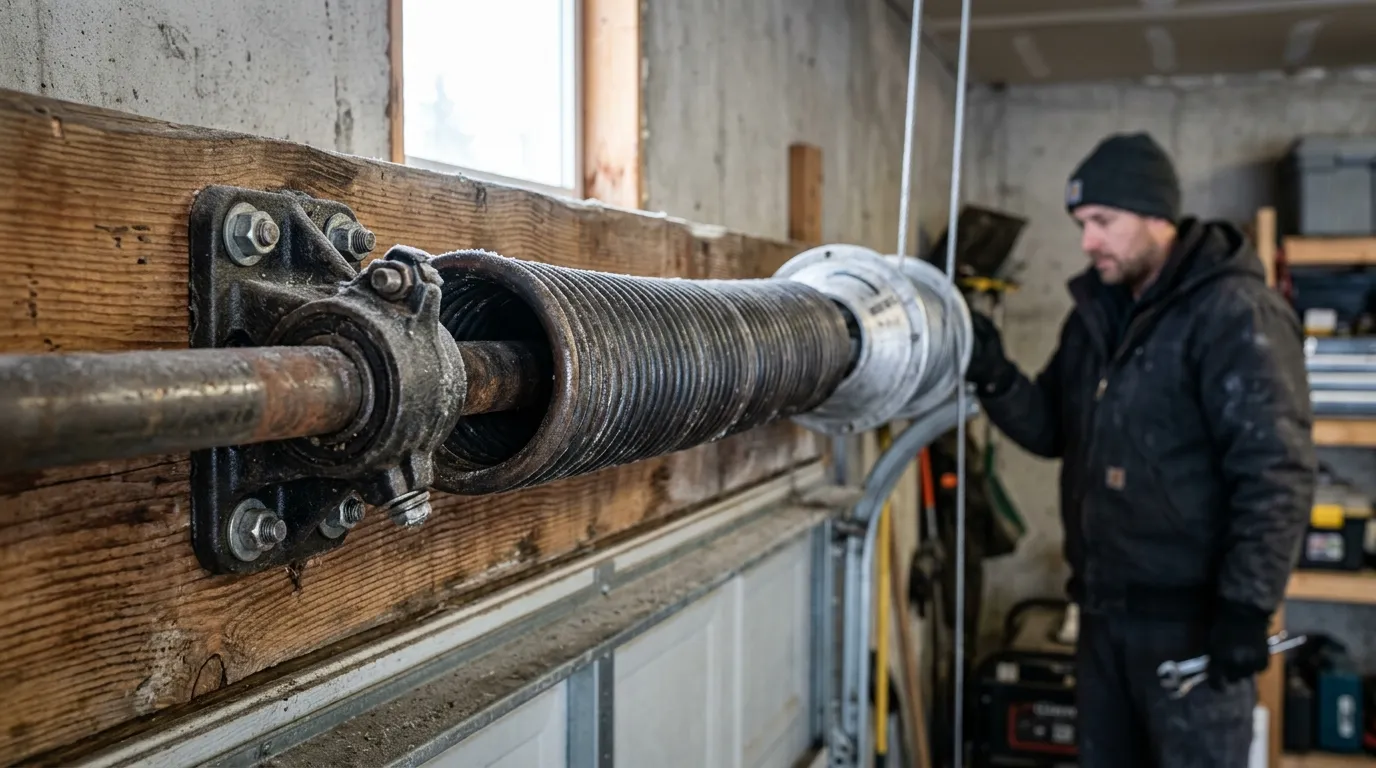
Questions
Common questions
Is my garage door required to be insulated because of a building code update?
No. Building code hasn't retroactively required insulation upgrades on existing doors here. If your door was installed under older standards, it's still legal to keep using it as-is. Insulation is a comfort and energy choice, not a compliance issue, for most of the housing built in this area's 1961-2010 range.
How do I know if my door already has foam insulation?
Pull back the weatherstripping at a panel edge or check the back of the door from inside the garage. If you see a foam layer bonded to the steel, it's insulated, even partially. A lot of 1980s and 90s builds added thin foam without full code pressure to do so, so don't assume an older door is bare steel.
Should I replace an old door just because it's not insulated?
Not automatically. In a mild climate, a non-insulated door that still opens and seals fine is doing its job. Replace it when the mechanics fail - springs, rollers, warped panels - not solely because the build era predates insulation standards.
Ready when you are
Need a garage door sorted in Livermore?
Livermore Garage Door Pros repairs and installs garage doors, springs and openers in Livermore, CA and the surrounding area.