
Guide
When an Old Garage Door in Livermore Is Still Worth Fixing
A look at when an older Livermore garage door is worth repairing, based on the area's 1980s-era housing stock and mild climate, not a blanket rule.
Local detail
What Local Conditions Do
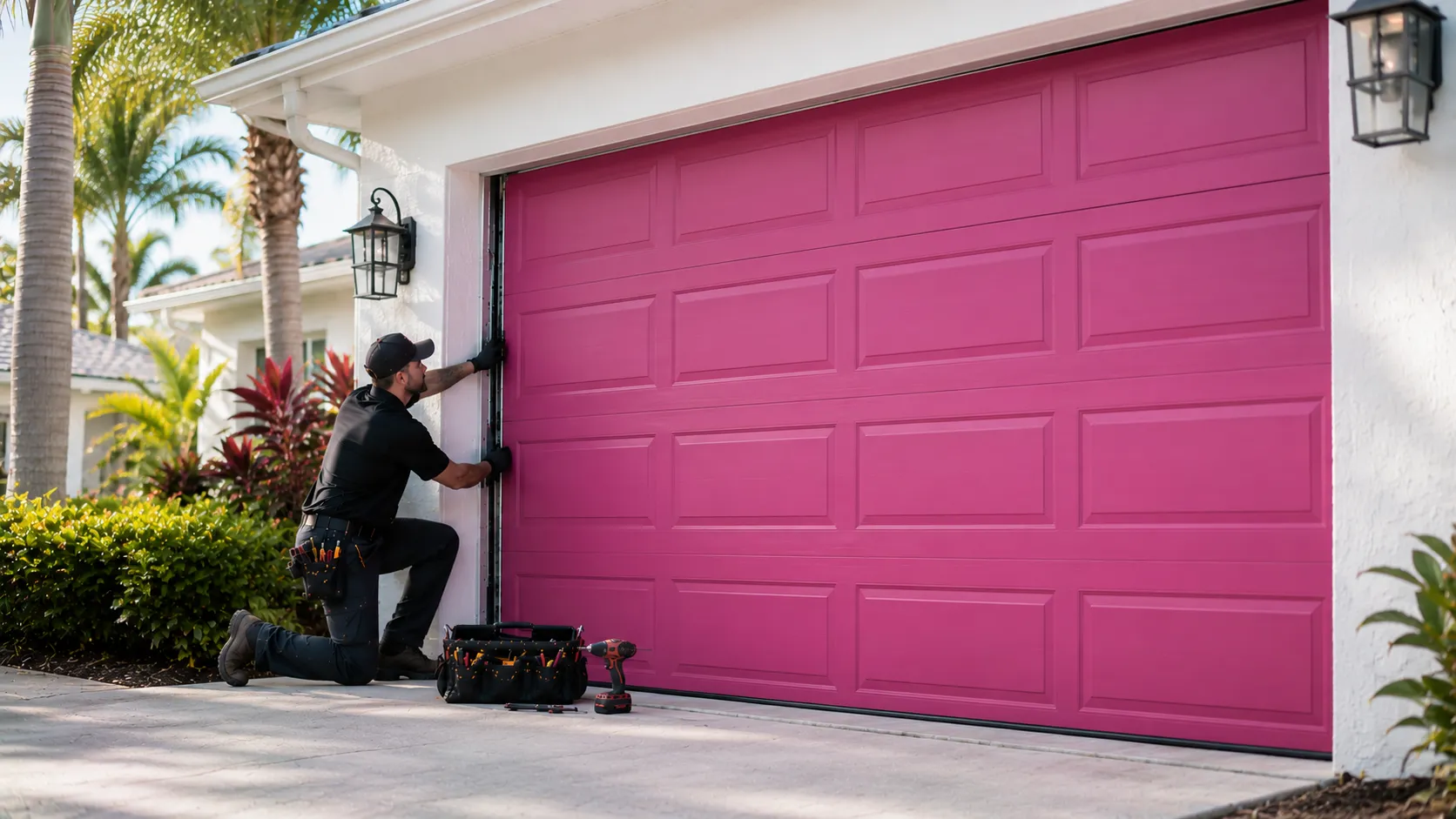
Livermore sits in a mild temperate band, and that matters more for a garage door than most people think. There's no deep freeze cracking the slab under the track, no repeated freeze-thaw working bolts loose in the jamb the way it would in a place with a real winter. Steel doesn't contract and expand the way it does somewhere with harsh cold snaps. That's the upside. The downside is sun.
A door facing west on a driveway here spends a long, mild season getting baked, and that's what fades paint, dries out weatherstripping, and warps thin panel skins over the years - not cold, not ice. So when we're deciding whether an old door is worth saving, climate stress here reads differently than a repair guide written for the Midwest or the Northeast. We're not checking for frost-heave damage to the track. We're checking sun-side panels, dried seals, and whether the springs have simply run out their cycle count sitting in mild, steady weather that never forced an early failure. That's the baseline every other section here works from.
The area
When Waiting Is Fine
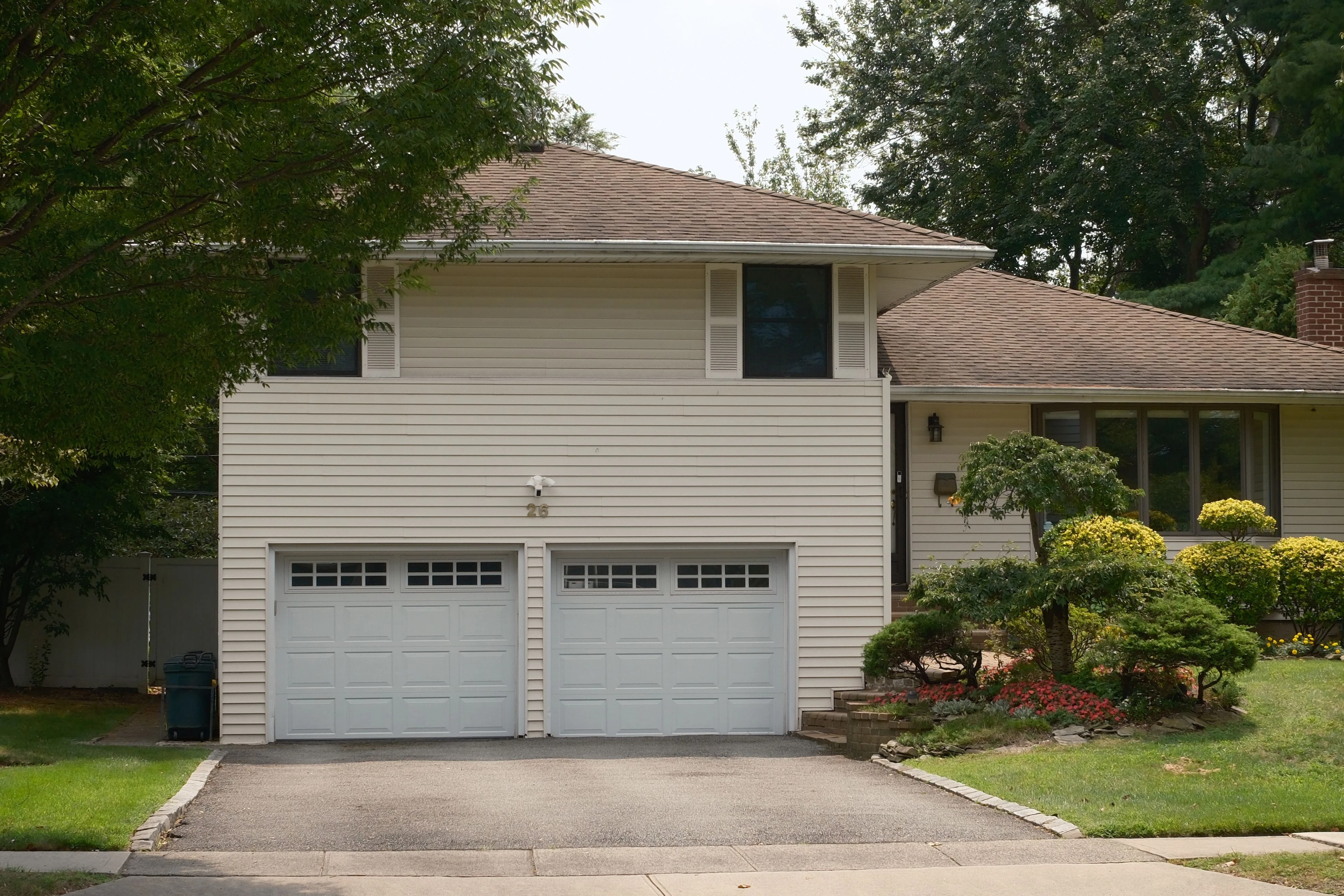
A lot of what we see across the 1980s and 90s stock that makes up most of this area's housing is cosmetic and can wait. A stiff spot in the track that only shows up once in a while, a slightly noisy roller, a door that's a little slow to close but still seats - none of that is an emergency, and none of it means the door is done. Given the mild climate here, small deferred maintenance doesn't snowball the way it might somewhere with harsher swings; a dry roller isn't about to seize overnight from cold.
If the door still opens and closes on both sides evenly, and the springs aren't visibly gapped or rusted through, you've got time to plan the work instead of rushing it. We'd rather see you wait a season and fix it right than call it in as urgent when it isn't. The one thing we won't tell you to wait on is a spring that's already showing a gap in the coil - that's not a maintenance item anymore, that's a countdown.
What we find
What to Look At First
Because most of the housing stock across this service area went up between 1961 and 2010, with the median landing around 1981, the door on a lot of these houses is original or a first replacement, meaning the hardware is old enough to matter. Start with the springs - torsion springs rated for a certain number of cycles that a door built around 1981 has almost certainly used up by now. Look next at the bottom bracket and cables for rust, especially on doors that haven't been touched since the house was built.
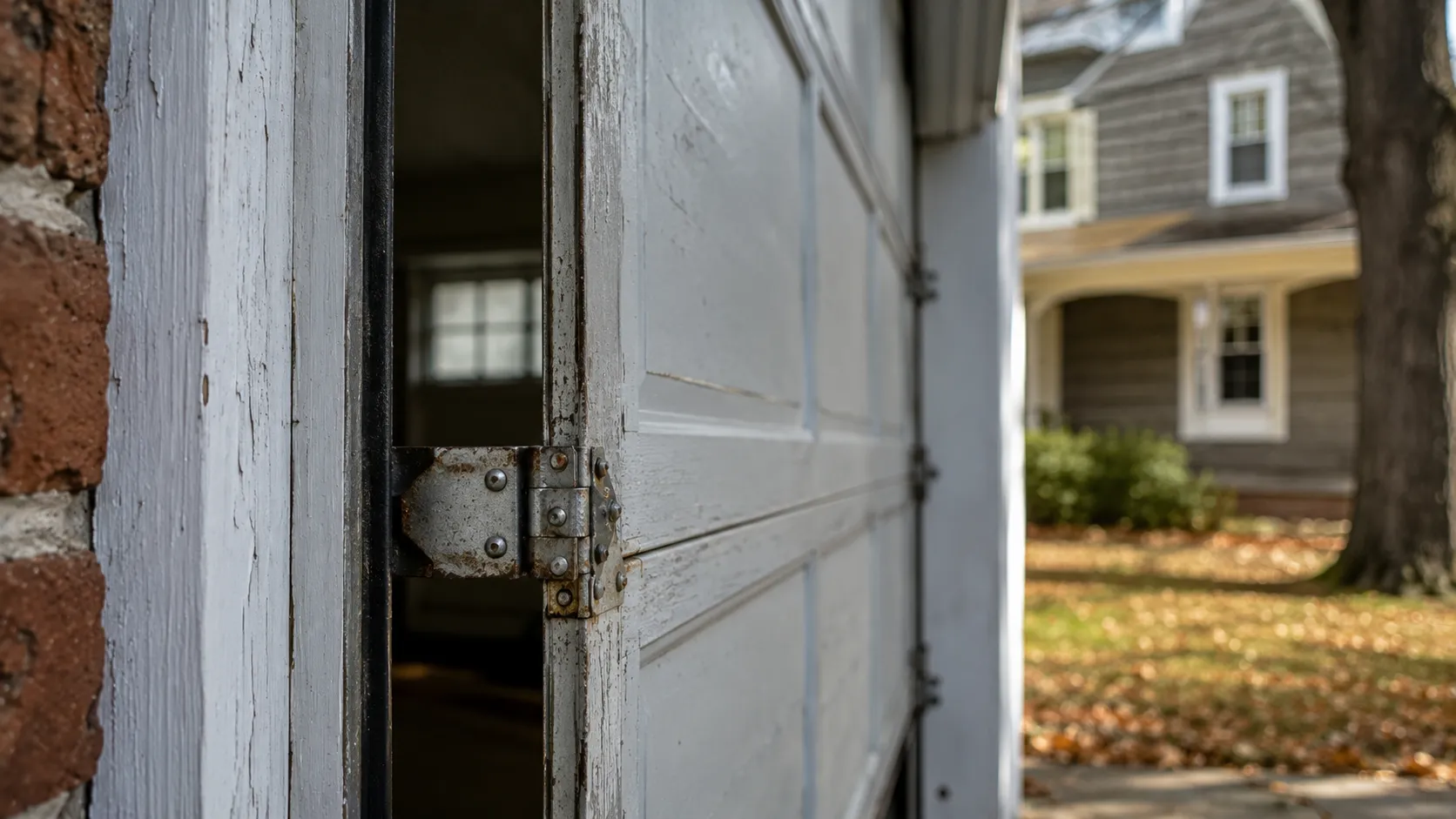
Check the track for daylight gaps where it's pulled from the wall, common on doors that age when the original mounting screws work loose over decades, mild climate or not. Last, look at the panel bottoms for water staining or soft spots - not from ice, since that's not really a factor here, but from years of sprinkler overspray or gutter runoff sitting against a bottom panel that was never sealed particularly well to start with.
How we work
What Is Going On
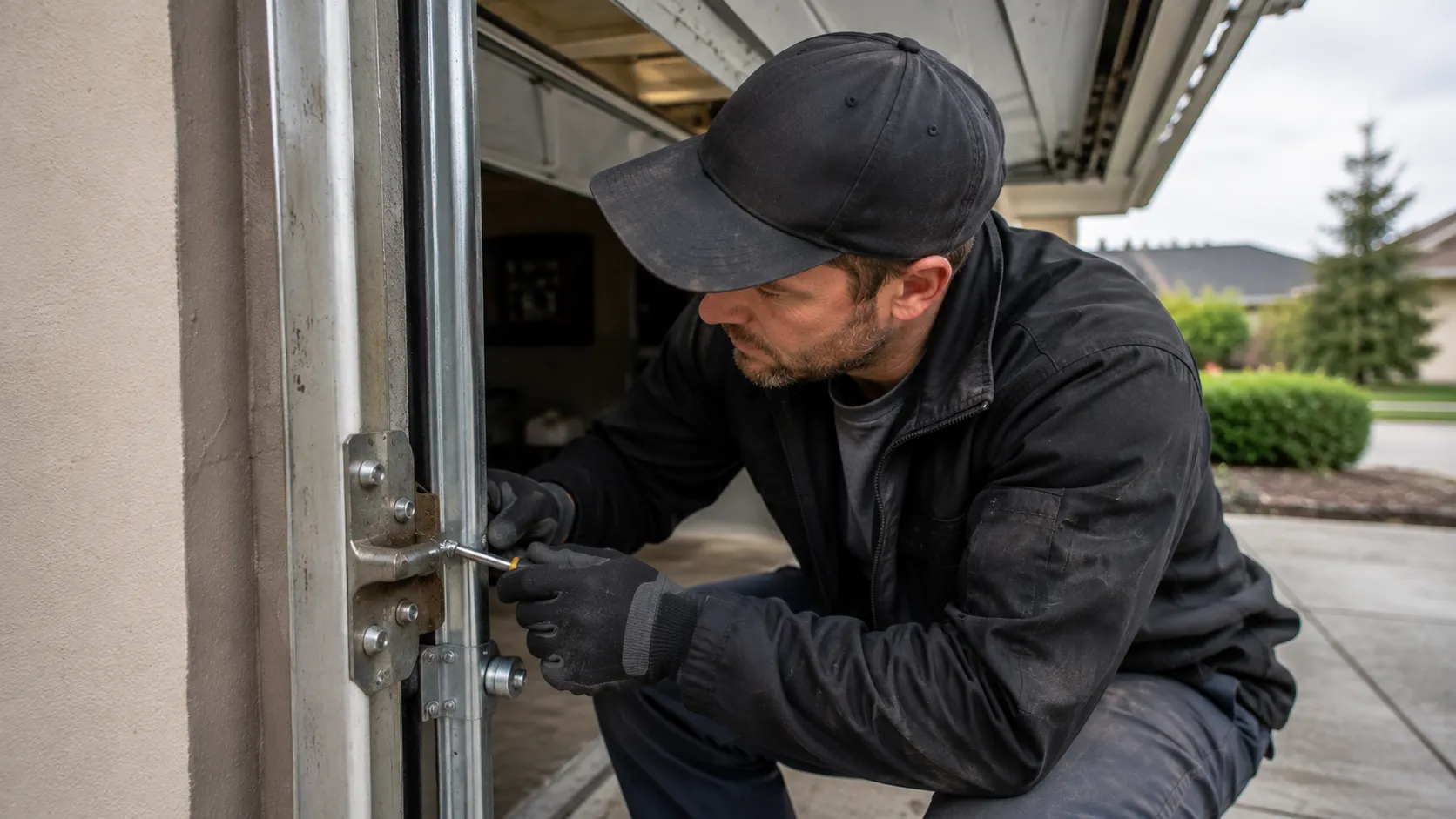
Put plainly: age is doing more work here than weather. With 78,437 owner-occupied houses across the service area, a huge share of the doors we get called to are original equipment on homes built the same era, meaning the hardware and the house are the same age and both are due. A door that's mechanically sound - square, tracking straight, no rust through the steel - is almost always worth fixing regardless of its age, because the failure points (springs, cables, rollers, openers) are all replaceable parts on a door that's otherwise fine.
Where we tell homeowners to stop throwing money at it is when the steel itself has rusted through at a bottom panel or the door's racked in the frame from a prior impact - patching that just buys a few months. With a median household income of $168,292 across the area, most homeowners we talk to can afford either path, so the decision usually comes down to whether the door itself is still straight and sound, not the budget.
Questions
Common questions
Is it worth fixing a garage door from the 1980s instead of replacing it?
Usually, yes, if the door is still square and the steel isn't rusted through. Given the mild climate here, doors from that era often have more life left in the panels than the springs and hardware do, and those parts are replaceable on their own without touching the door.
Does Livermore's climate wear out garage doors faster?
Not the way cold climates do. There's no freeze-thaw cycle stressing the track or slab. The bigger factor here is sun exposure on west or south-facing doors, which fades finish and dries seals over time rather than cracking anything structurally.
How do I know if my door's springs are original?
If your house was built in the range typical for this area - roughly 1961 to 2010, with a lot of it landing around 1981 - and the springs have never been replaced, they're original and almost certainly past their rated cycle count regardless of how the door feels day to day.
When should I stop repairing and just replace the door?
When the steel bottom panel has rusted through, or the door is racked out of square in the frame. Patching either of those buys a short while at best. If the frame and panels are sound, repair almost always makes more sense than replacement.
Ready when you are
Need a garage door sorted in Livermore?
Livermore Garage Door Pros repairs and installs garage doors, springs and openers in Livermore, CA and the surrounding area.