
Livermore, CA
Garage Door Repair for Livermore's 1980s and 90s Housing Stock
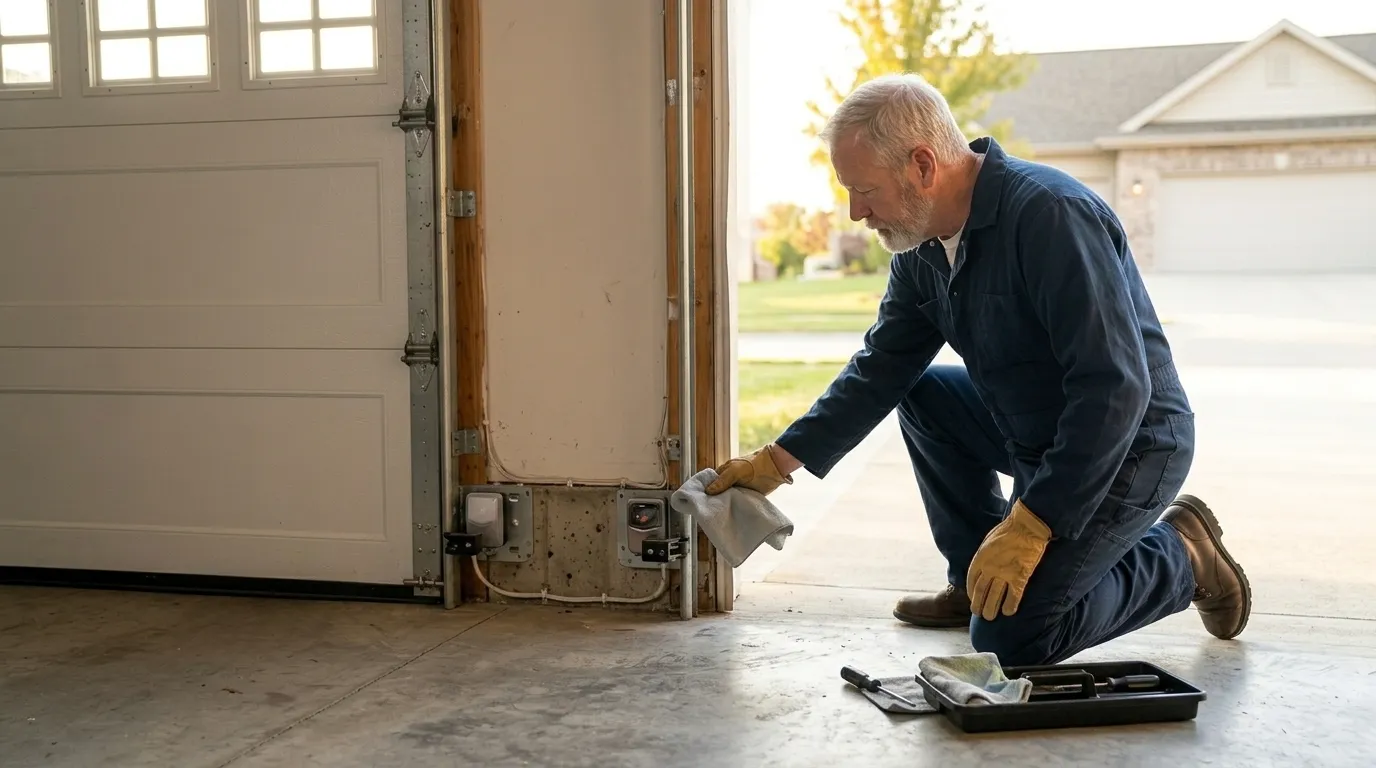
Livermore Garage Door Pros fixes torsion springs, openers, and tracks worn from the 1980s-90s housing stock common across Livermore, CA in its mild climate.
What we do
Garage door work in Livermore
Garage Door Repair for Livermore Homes
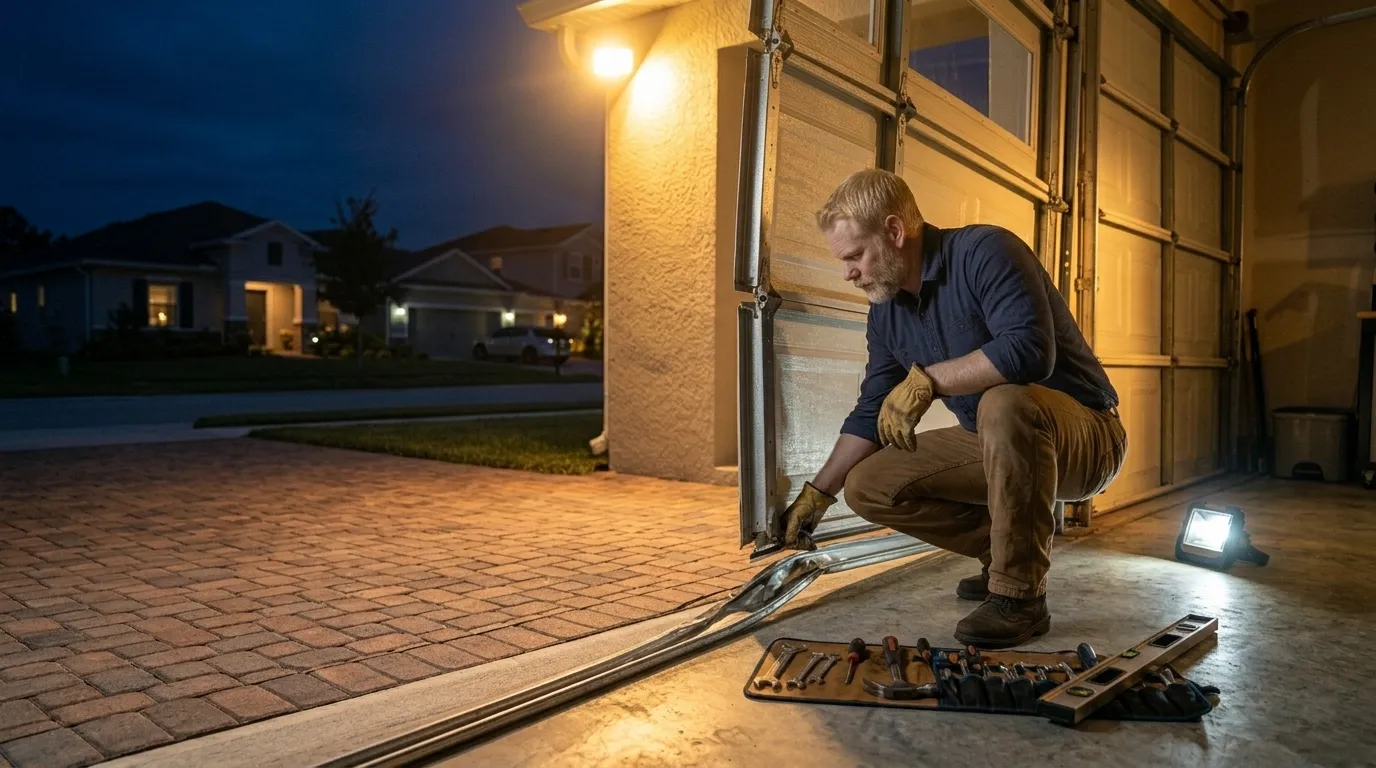
Garage door repair in Livermore, CA for the torsion springs and openers common in this area's 1980s-90s homes. Learn more →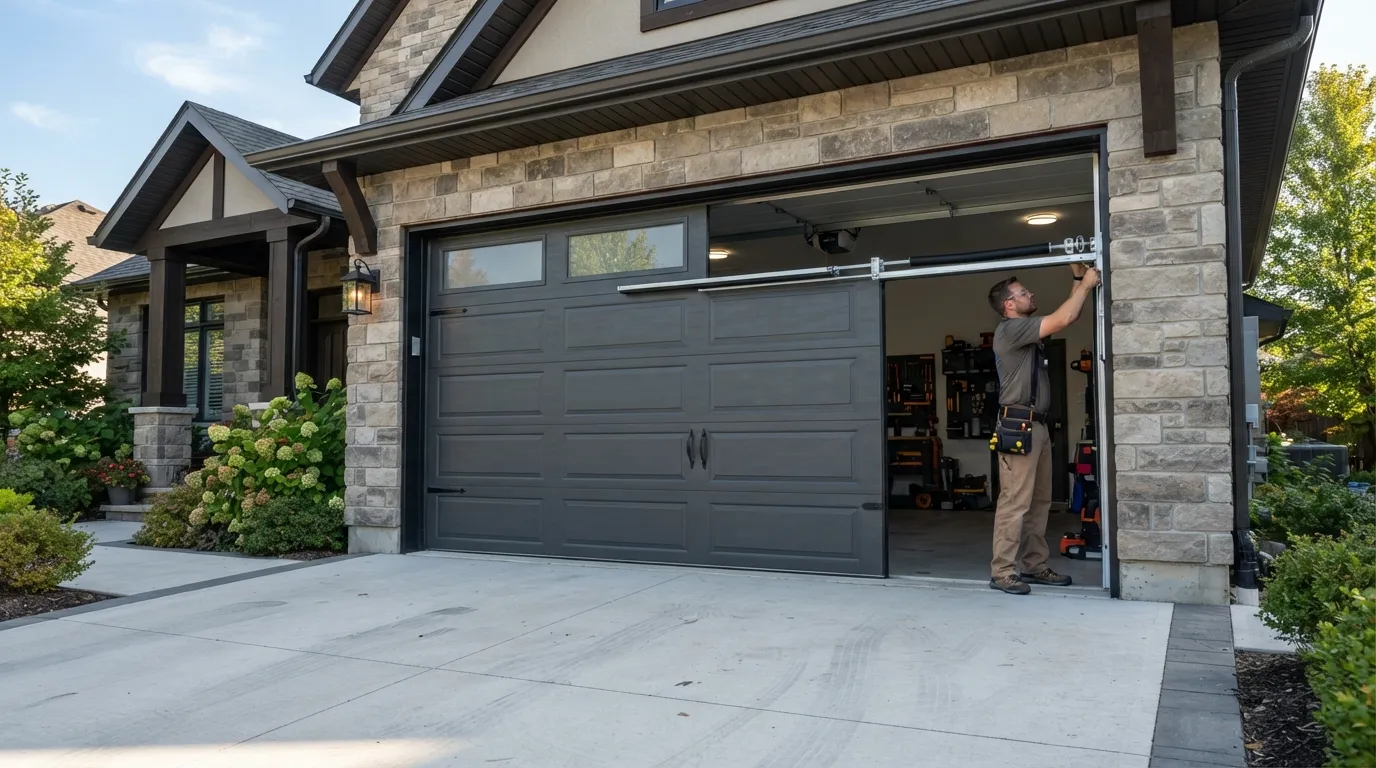
Garage Door Installation for Livermore Houses
Livermore Garage Door Pros installs and replaces garage doors on houses built mostly between 1961 and 2010, matching tracks and headers to the framing. Learn more →Local detail
What It Costs
We're not going to give you a number here that doesn't mean anything until someone's looked at your door. A torsion spring job costs different money than a full opener swap, and a bent track repair costs different money than either of those. What we can tell you is what drives the price on most calls in this area: spring size and count, whether the opener is original to the house or already a replacement, and whether the track needs straightening or full replacement.
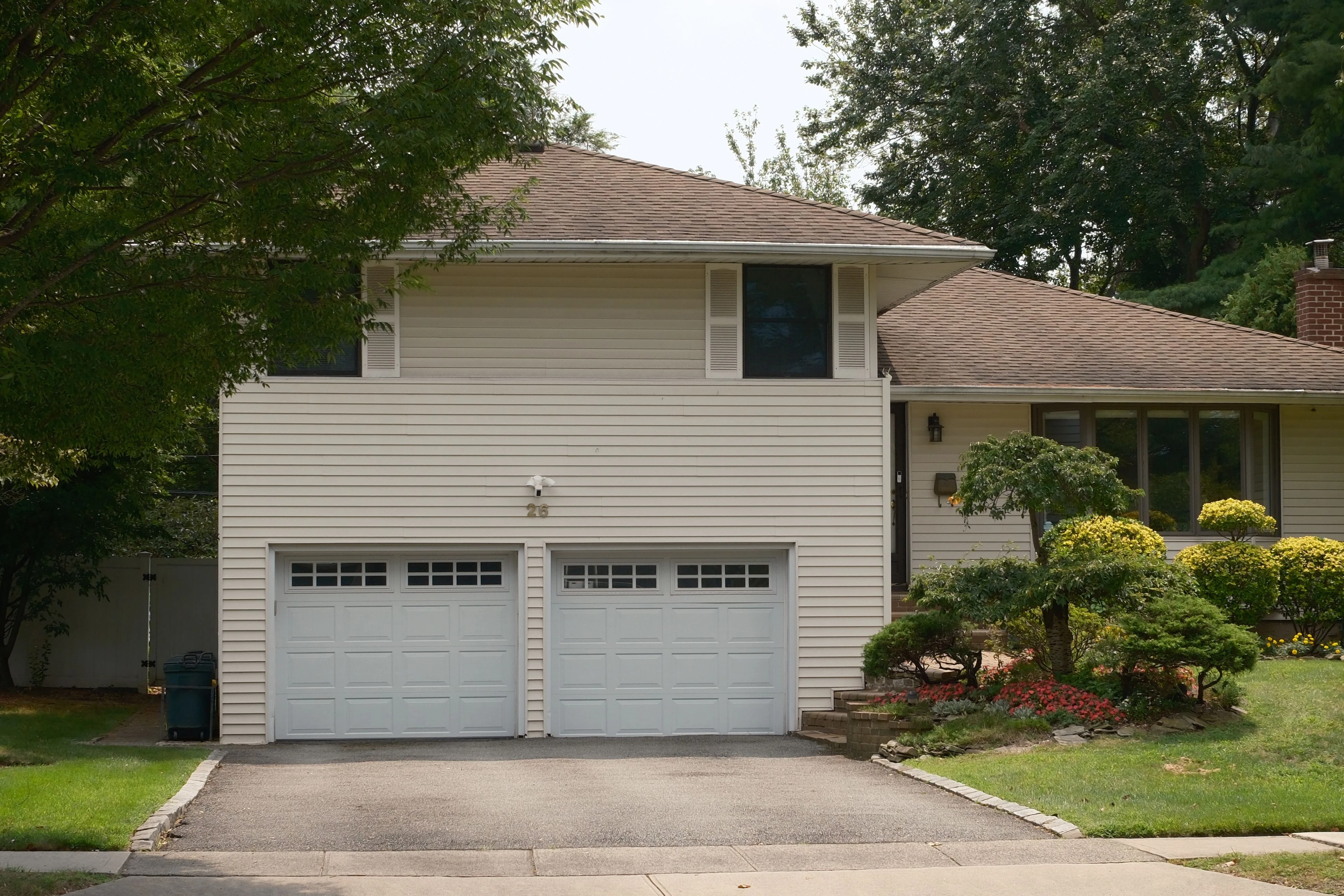
Around here, a big share of the housing went up between 1961 and 2010, with most of it clustered in the 1980s and 90s. That matters for cost because a lot of those original openers and springs are still in the walls, and parts for some older chain-drive units take longer to source than parts for anything installed in the last ten years. If your opener is original, tell us the brand and approximate age when you call - it saves a truck roll just to find out the part's on back order.
We'll always quote the job in front of you before we touch anything, not over the phone from a guess.
The area
Where This Job Goes Sideways
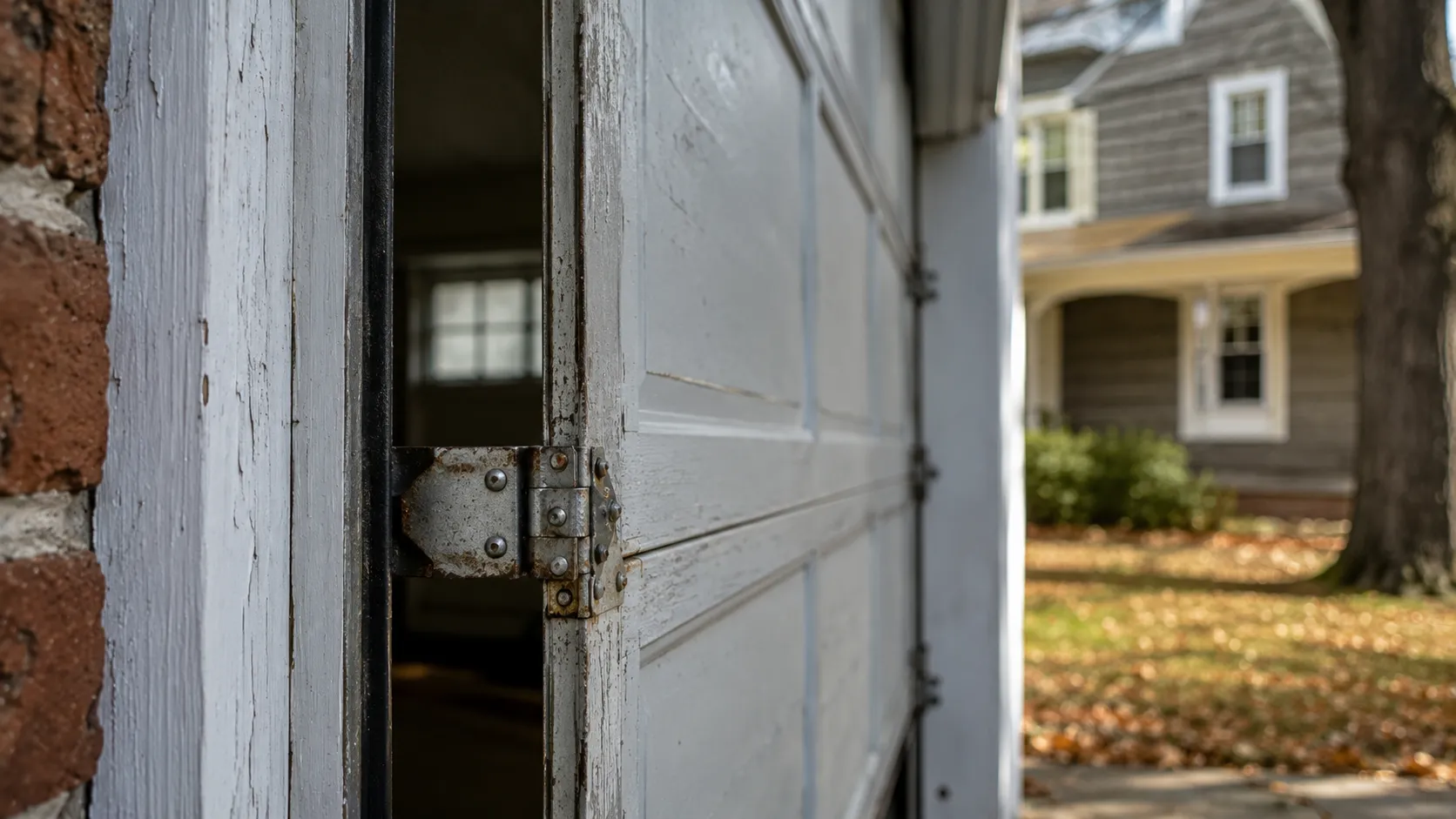
The failure that turns into a bigger bill almost every time is a broken torsion spring on a door where the owner or a handyman already tried to force it open. The cables kink, the drum walks off the shaft, and now you're not paying for a spring - you're paying for a spring, a cable, and sometimes a drum.
Second most common: an opener that's been dying slowly for months, straining against a spring that's already lost tension, until the gears inside the unit strip. By the time it won't open at all, you're often replacing the opener instead of just the spring that caused the strain in the first place.
Honest limitation: if your door is original to a house built in the early 1980s and the track is rusted through in more than one spot, we're not going to spend two hours straightening it just to save you money today. Replacing the track costs less than the callback six months from now when it lets go again.
What we find
Why It Happens Here
Most of the housing across this service area was built between 1961 and 2010, with the median sitting around 1981, and the bulk of it is 1980s and 90s construction spread across the named neighborhoods here. That's a specific window - it means a huge number of doors are running original torsion hardware that's now thirty-plus years into a spring rated for a fraction of that many cycles.
The climate here is mild temperate, not coastal damp and not desert-dry with wide swings like you'd see further out toward Byron or Discovery Bay. That mild band is actually part of why these springs last as long as they do before failing outright - there's less rust working on the coils than you'd get near the water, and less thermal expansion and contraction than you'd get out past Mountain House. But mild doesn't mean nothing: three decades of daily cycling wears a spring down on its own, climate or not, and 1981 was a long time ago.
How we work
What You Are Seeing
A door that groans and slows halfway up, then jerks the rest of the way, is almost always a spring that's lost tension - not a motor problem, even though it sounds like one. A door that reverses right after the floor with no obvious object in the way usually means the opener's force setting is fighting a spring that can't hold its share of the weight anymore.
If the door drops fast on the way down instead of lowering evenly, stop using it. That's a spring or cable failure and it's not safe to keep running through the cycle. Rollers that clatter but the door still travels smooth are usually fine to wait on; a door that's visibly tilted in the frame when it's down is not.
With 78,437 owner-occupied houses across this service area, we see the same handful of failure patterns on repeat - it's less about bad luck and more about which decade your hardware came from.
Questions
Common questions
How old does a garage door spring usually get before it fails?
It depends on cycle count more than age, but a lot of the springs we replace are original to houses built in the 1980s and 90s. If your house falls in that build window and the spring has never been swapped, it's due, even if it hasn't failed yet.
Does Livermore's climate cause garage door problems?
The mild temperate band here is easier on hardware than coastal fog or big desert temperature swings. It slows down rust and metal fatigue, but it doesn't stop wear - a spring cycling daily for thirty years will still give out.
Can I replace a torsion spring myself?
We'd rather you didn't. A torsion spring under tension can cause serious injury if it lets go while you're working on it. It's one of the few jobs on a garage door that's genuinely dangerous to do without the right bars and clamps.
My opener is original to the house - is it worth fixing or replacing?
If it's an original 1980s or 90s unit and the gears have already stripped, replacement usually costs less than sourcing obsolete parts and still leaves you with a unit near the end of its life. We'll tell you straight which side of that line your unit falls on.
Ready when you are
Need a garage door sorted in Livermore?
Livermore Garage Door Pros repairs and installs garage doors, springs and openers in Livermore, CA and the surrounding area.